
Let's walk through what these systems actually do, what they cost, and when the investment genuinely pays off versus when a smaller solution gets the job done just fine.
What a Whole-Home Dehumidifier Actually Does
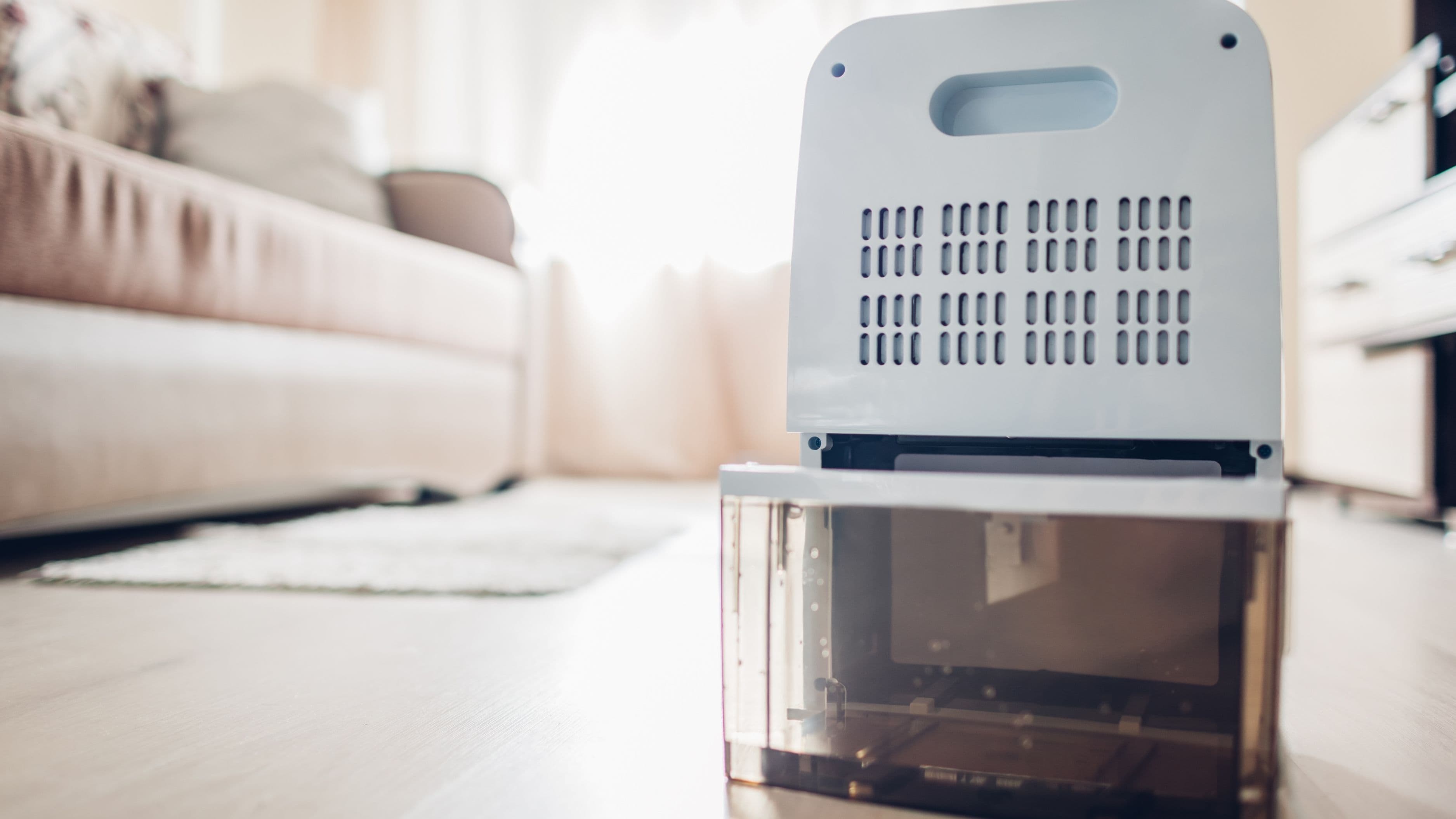
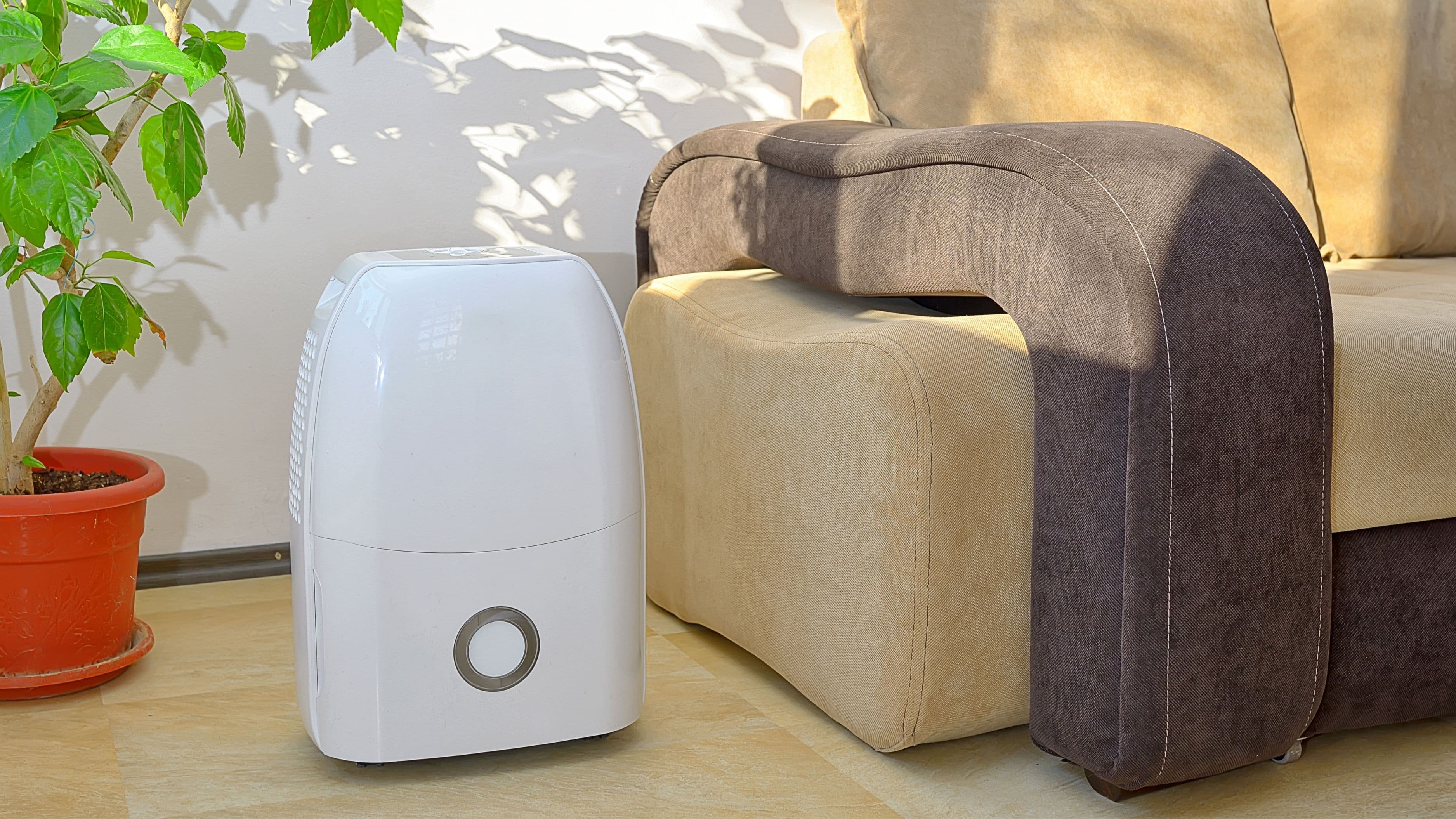
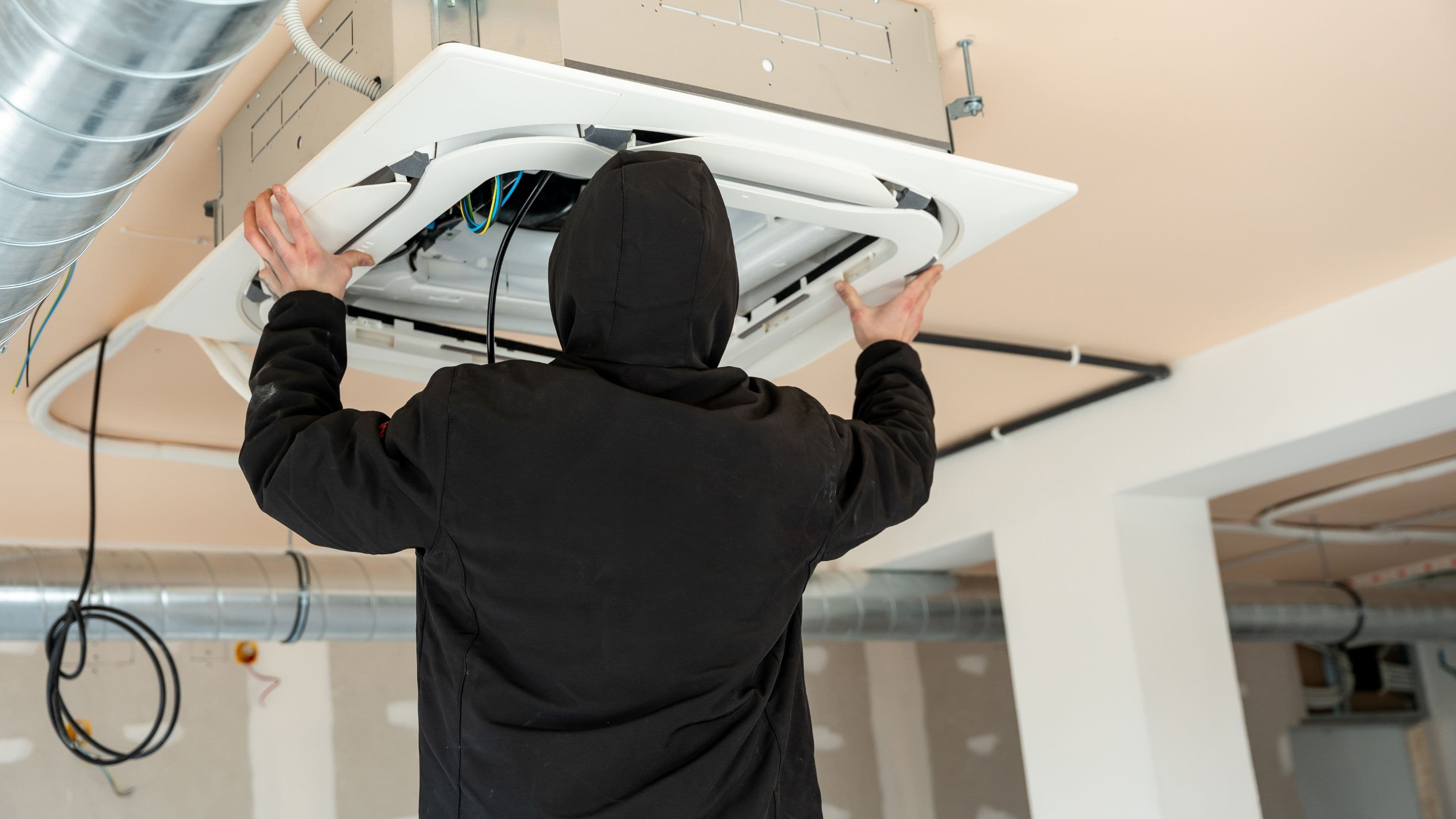
Unlike a portable unit that treats one room at a time, a whole-home dehumidifier connects directly to your HVAC ductwork, pulling excess moisture from the air as it circulates throughout your entire house. This means consistent humidity control across every room rather than isolated pockets of dry air near a single unit, with the rest of the house left exactly as humid as before.
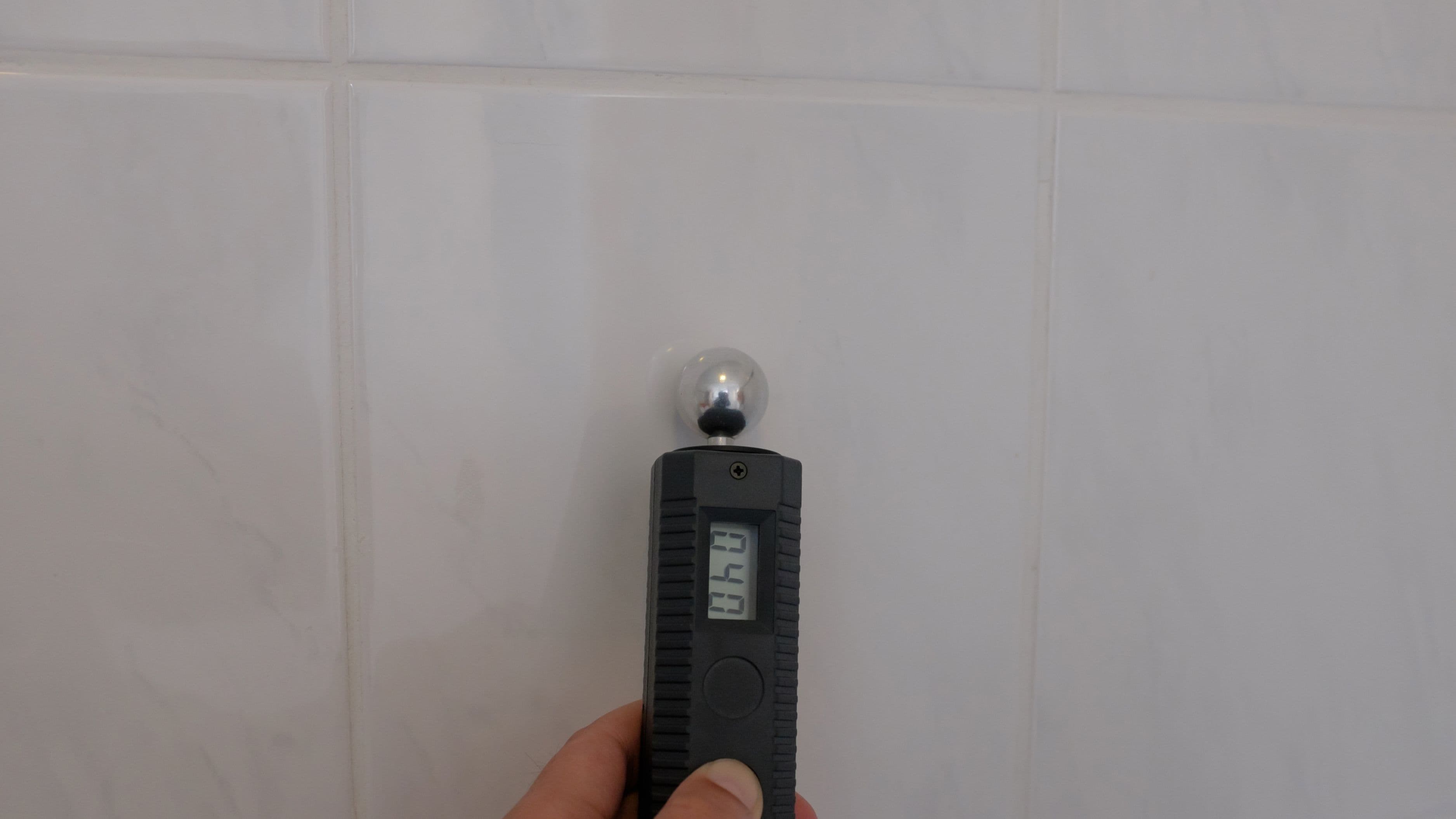
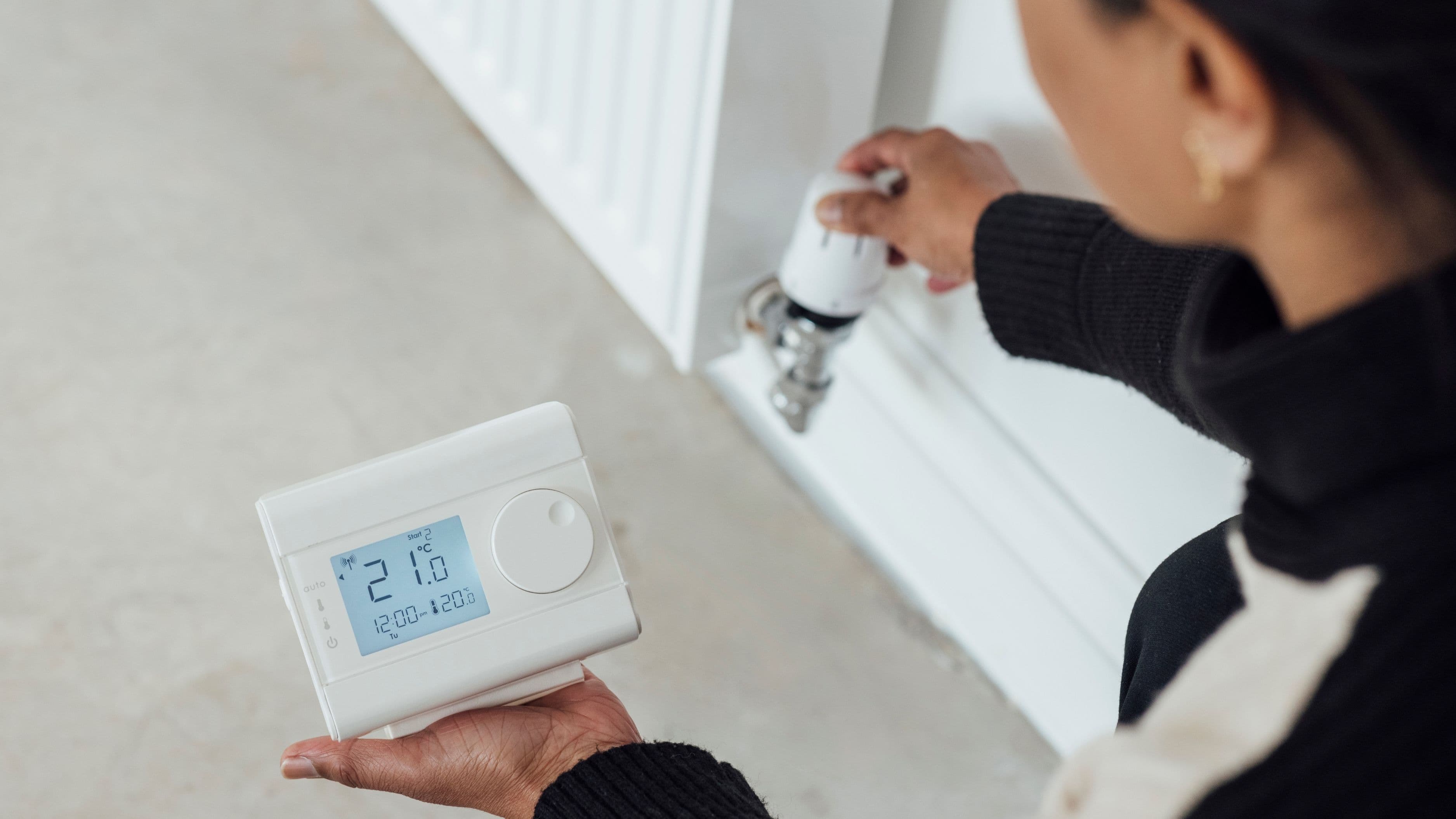
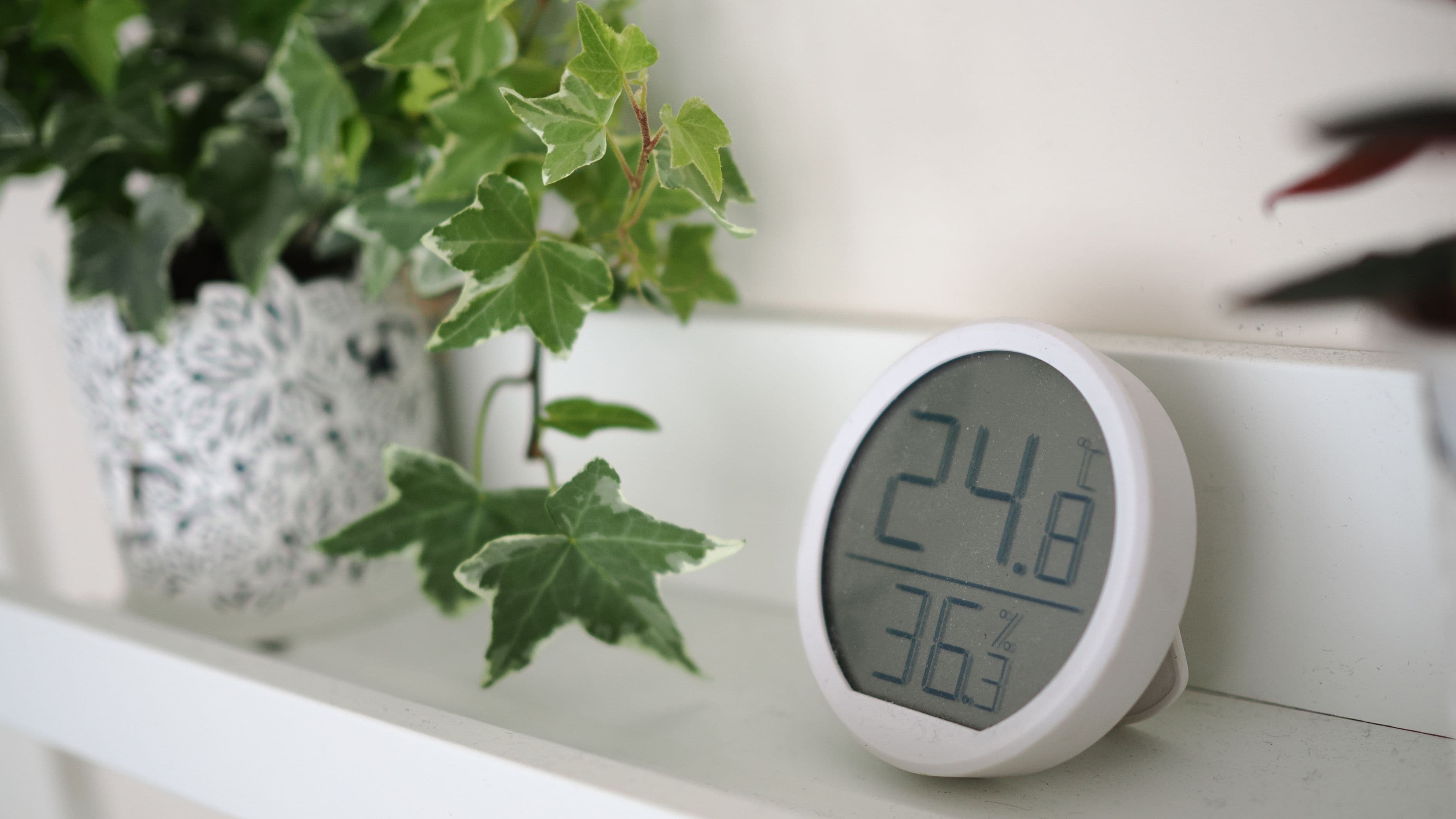
Most systems are designed to maintain indoor humidity in the 30 to 50 percent range recommended by health and building experts, adjusting automatically based on a connected humidistat rather than requiring you to manually empty a water tank or adjust settings room by room.
What It Costs
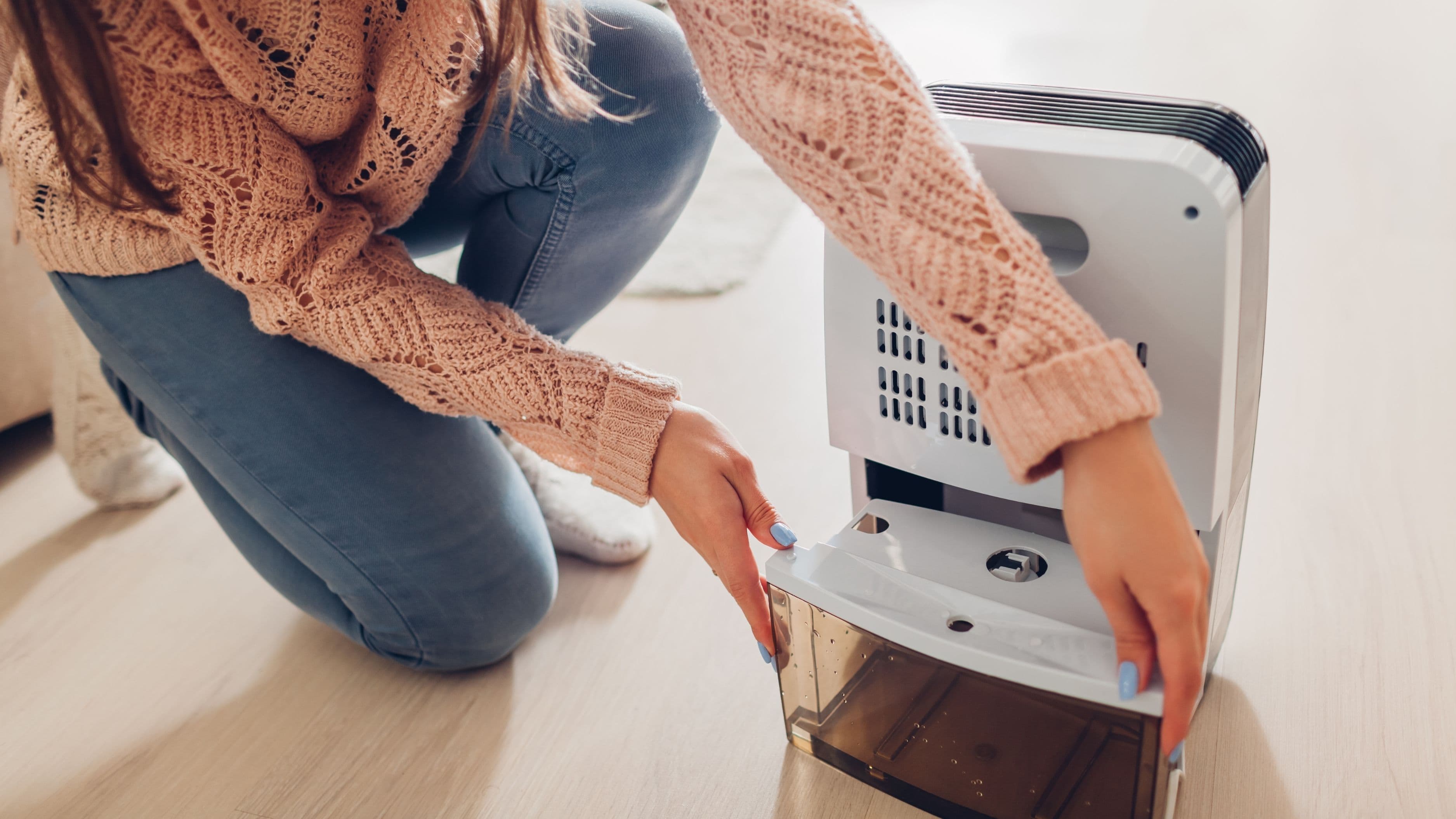
Expect to pay between $1,500 and $3,000 for the unit and professional installation, depending on your home's size and existing ductwork setup, compared to $200 to $300 for a decent portable unit covering a single large room or basement. Ongoing costs include modest electricity use and occasional maintenance, generally cheaper per square foot of coverage than running multiple portable units continuously across a humid season.
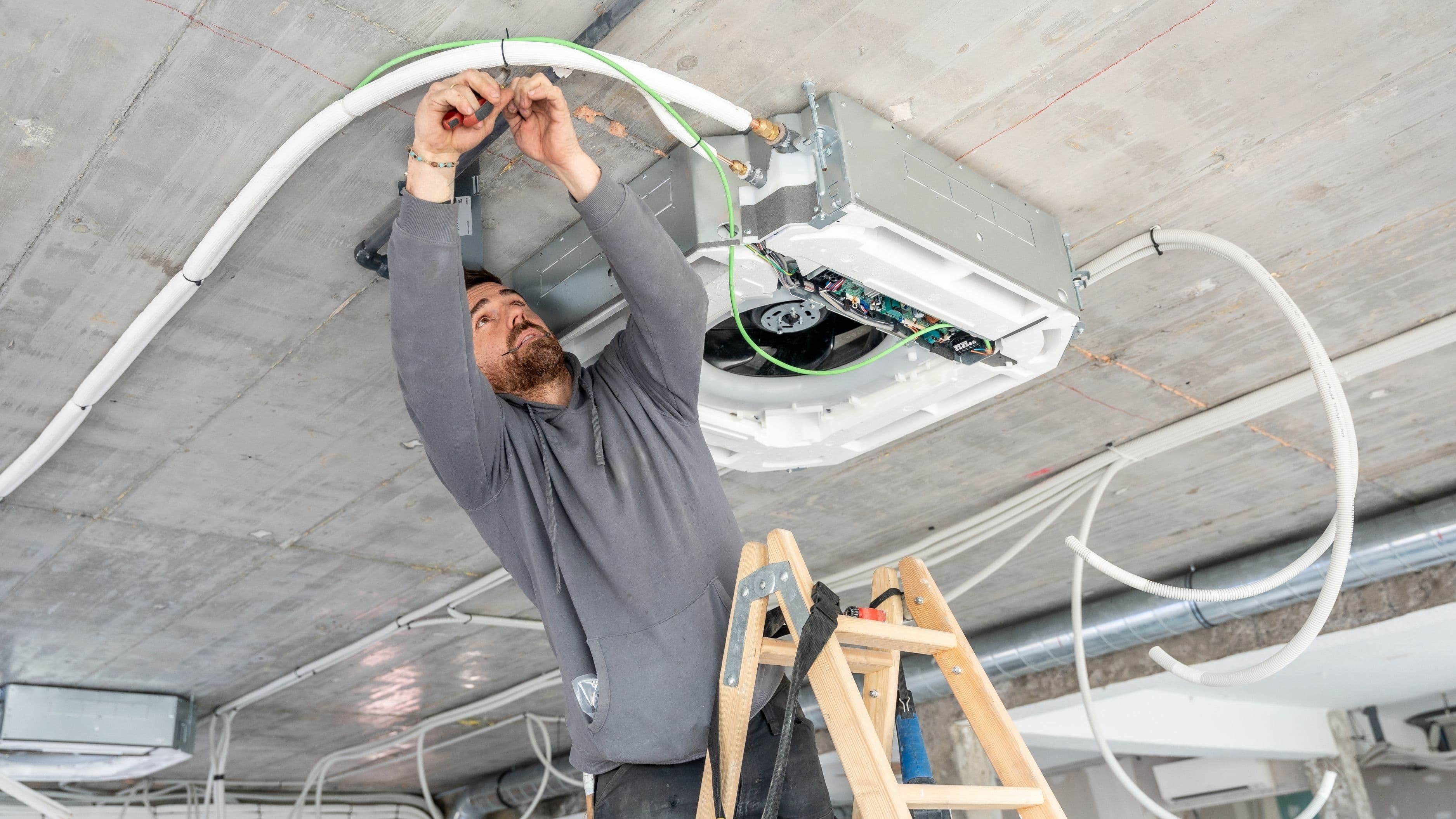
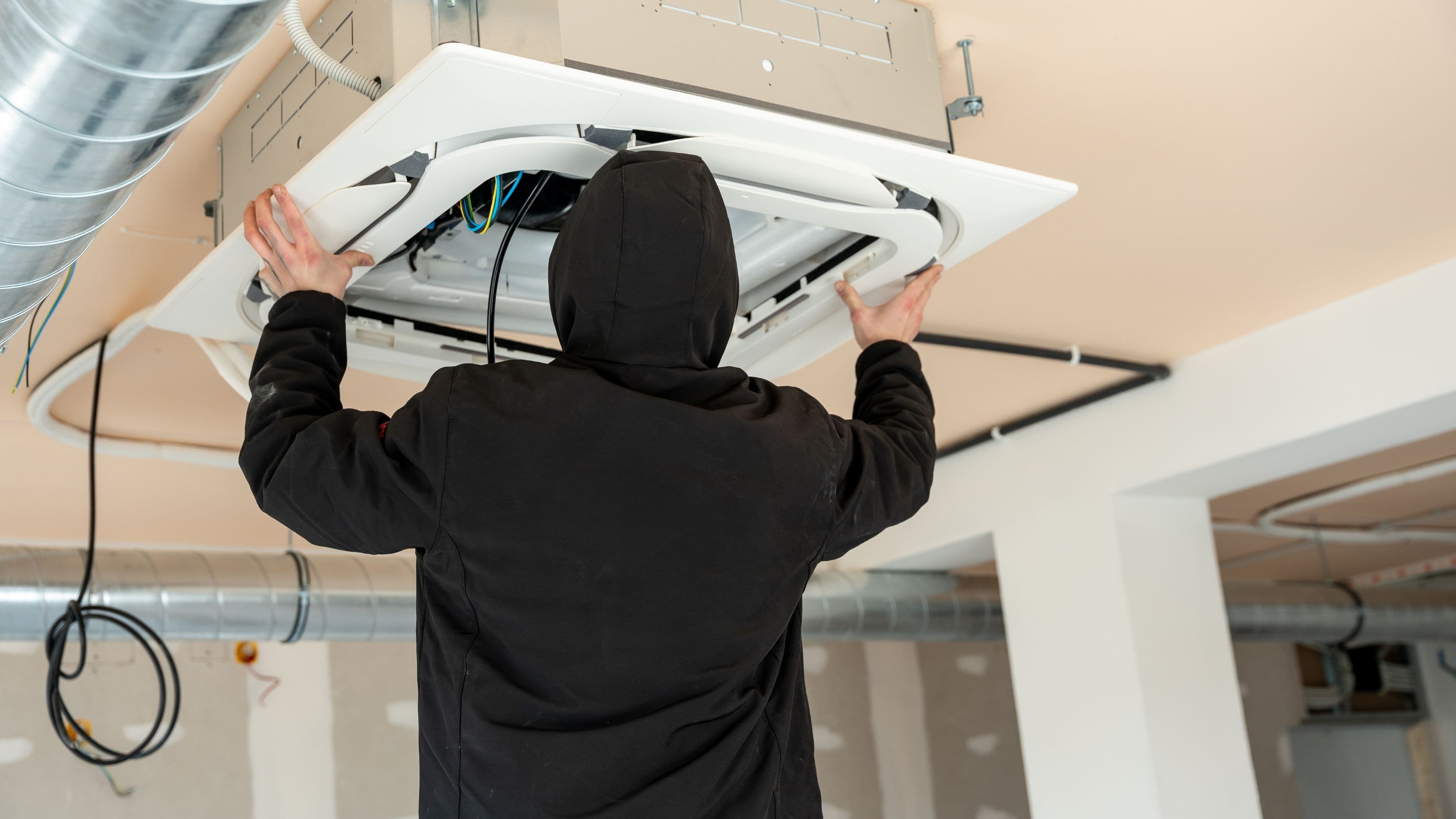
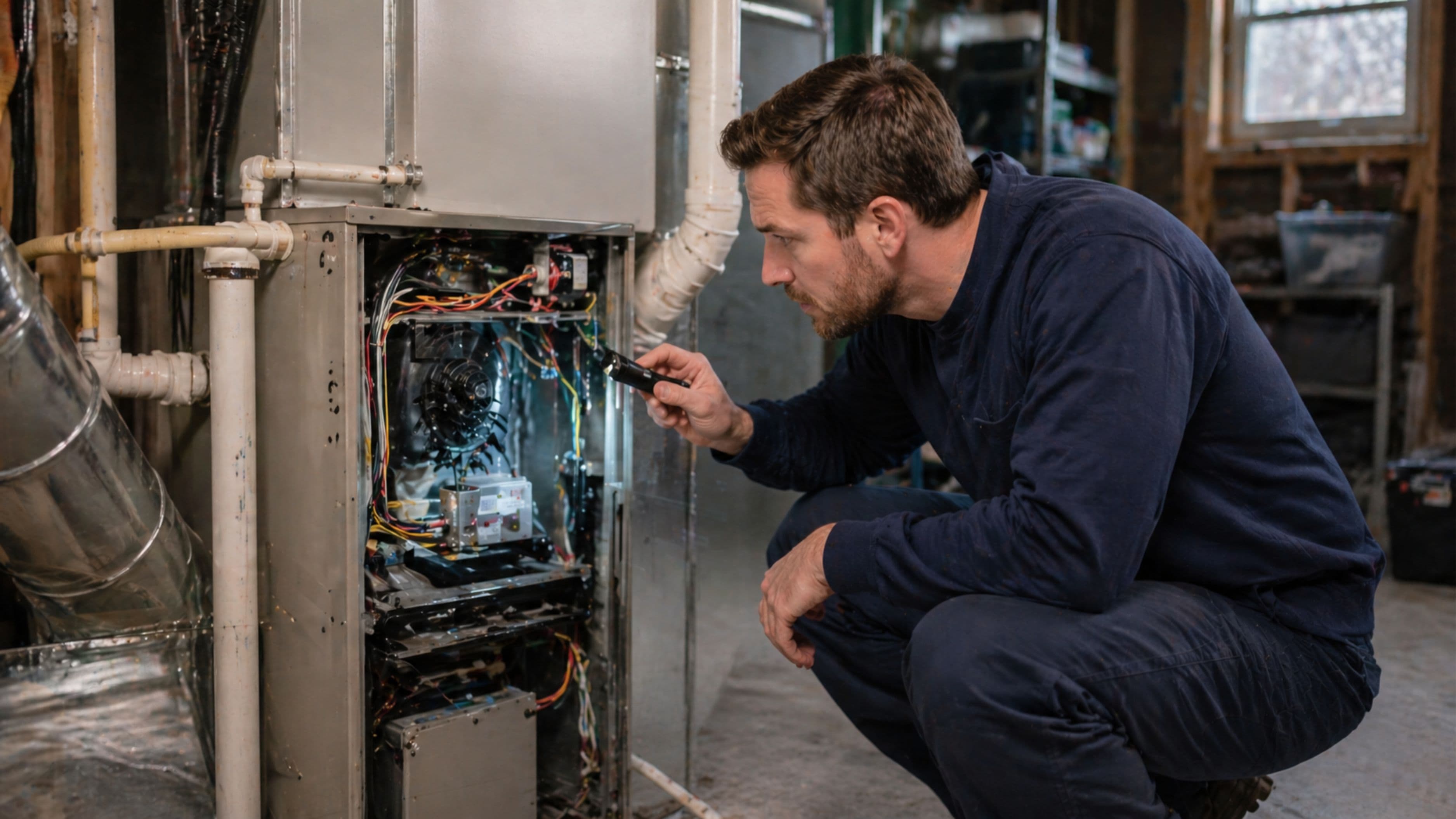
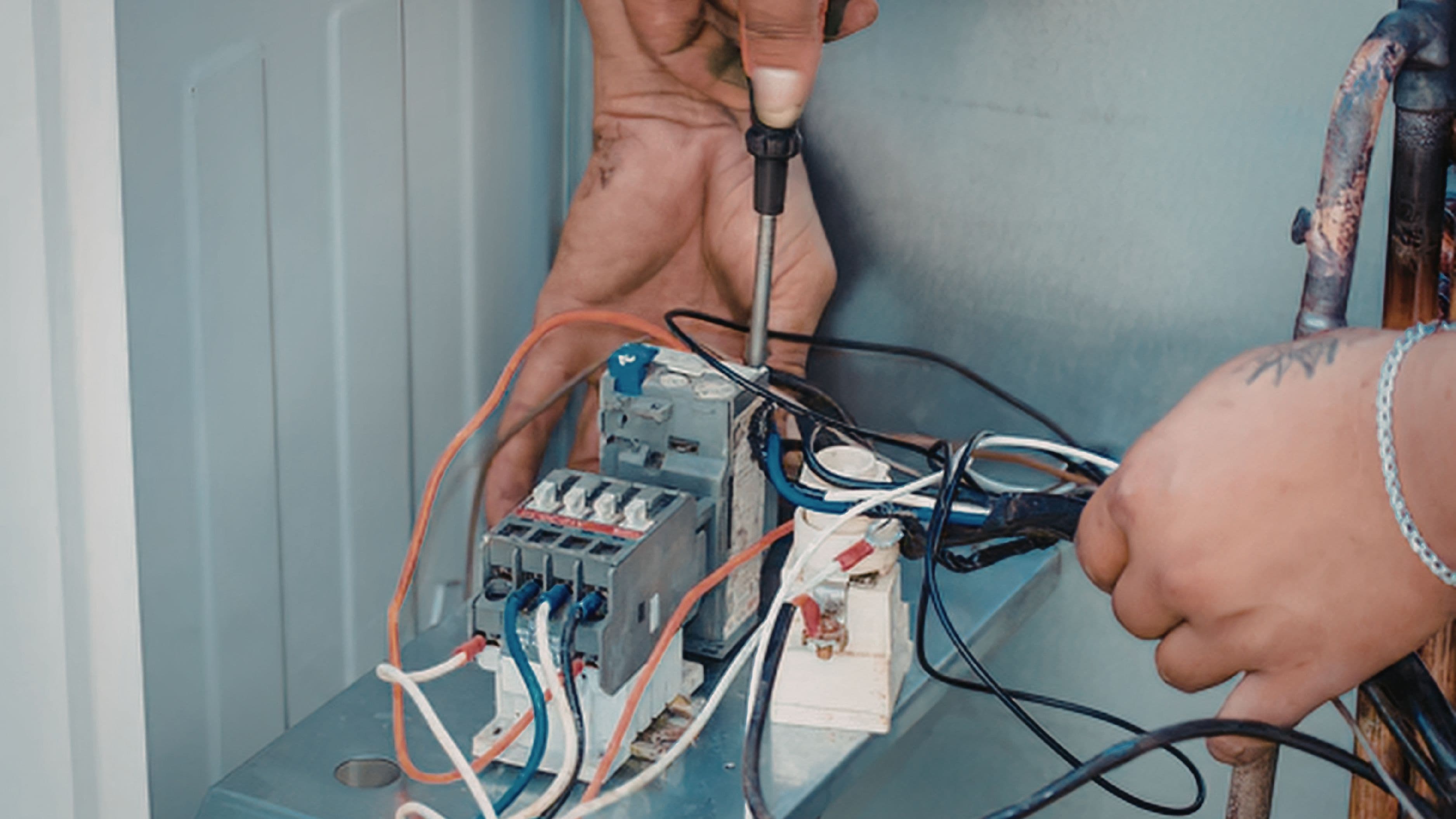
Installation typically requires connecting to your existing HVAC system, which is why professional installation is strongly recommended rather than a weekend DIY project, particularly since improper installation can affect your HVAC system's overall performance.
When It's Genuinely Worth the Investment
If your entire home consistently struggles with humidity, not just a single problem room, a whole-home system usually pays for itself in convenience and effectiveness within a few years compared to running and maintaining multiple portable units. This is especially true in genuinely humid climates like the Southeast or Gulf Coast, where humidity issues affect nearly every room rather than staying isolated to a basement or bathroom.
It's also worth serious consideration if you're dealing with recurring issues linked to excess humidity, like mold growth, musty odors, or condensation on windows throughout the house, since these problems tend to worsen over time and can lead to more expensive repairs if left unaddressed.
When a Portable Unit Makes More Sense
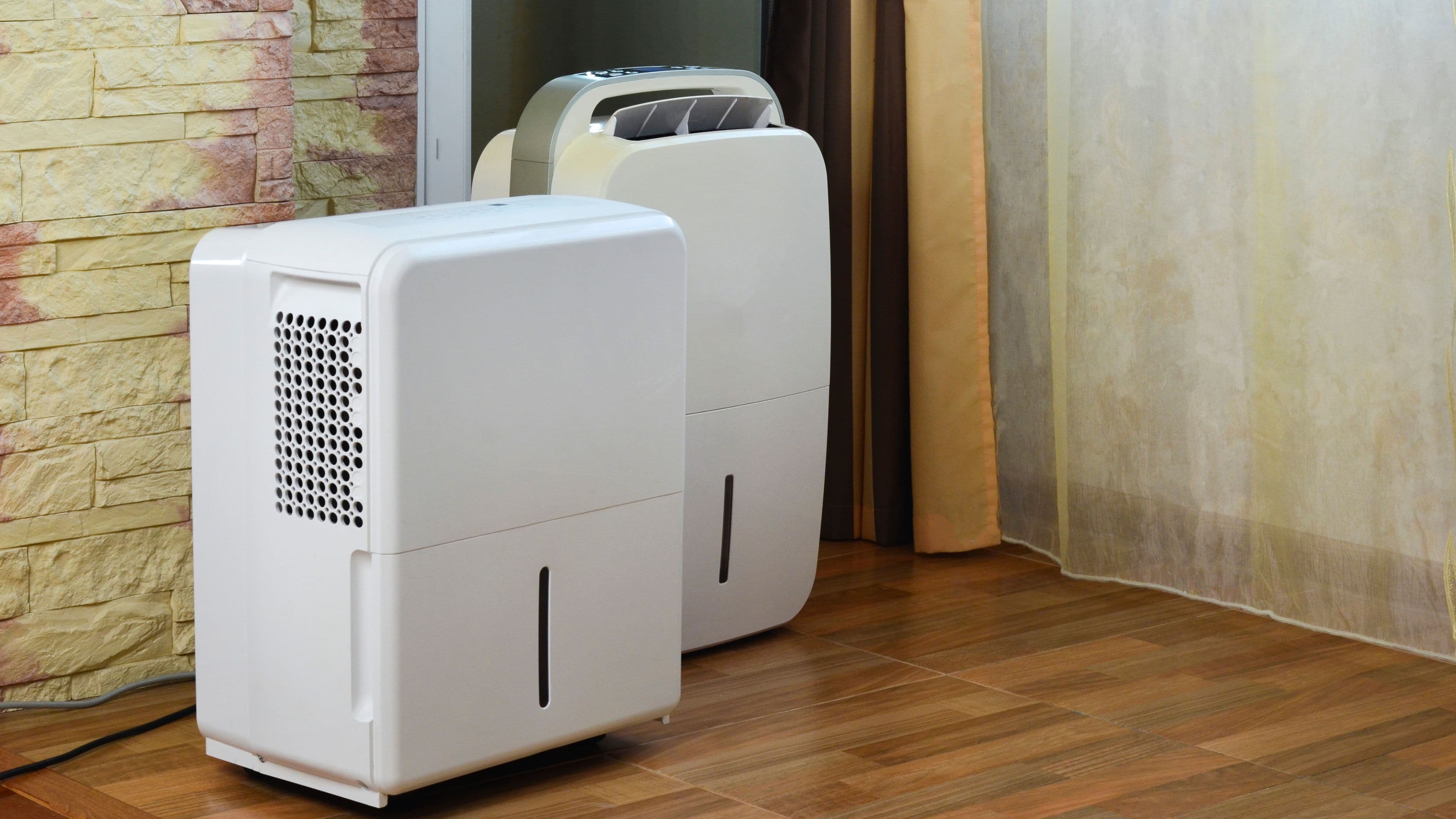
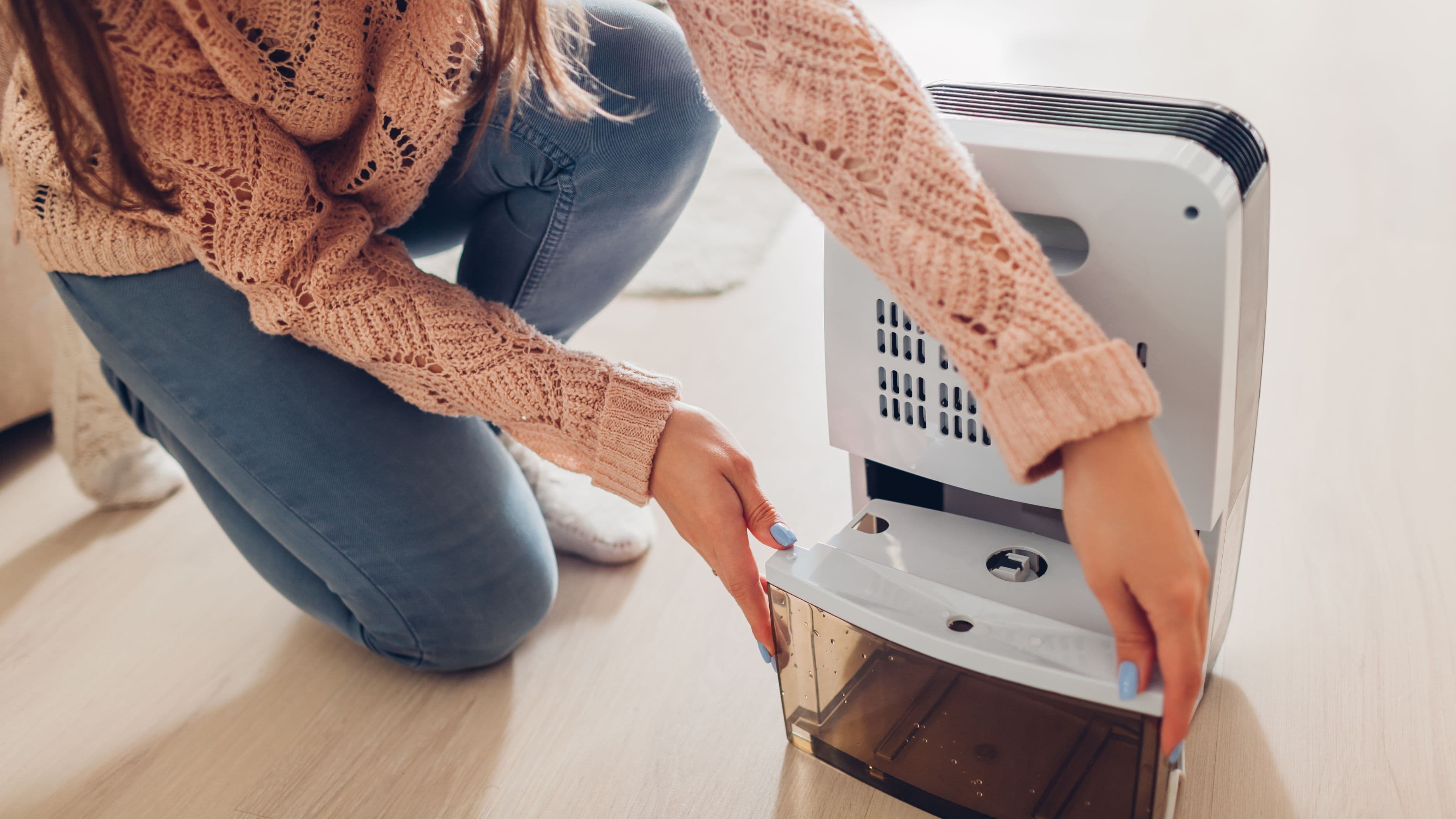
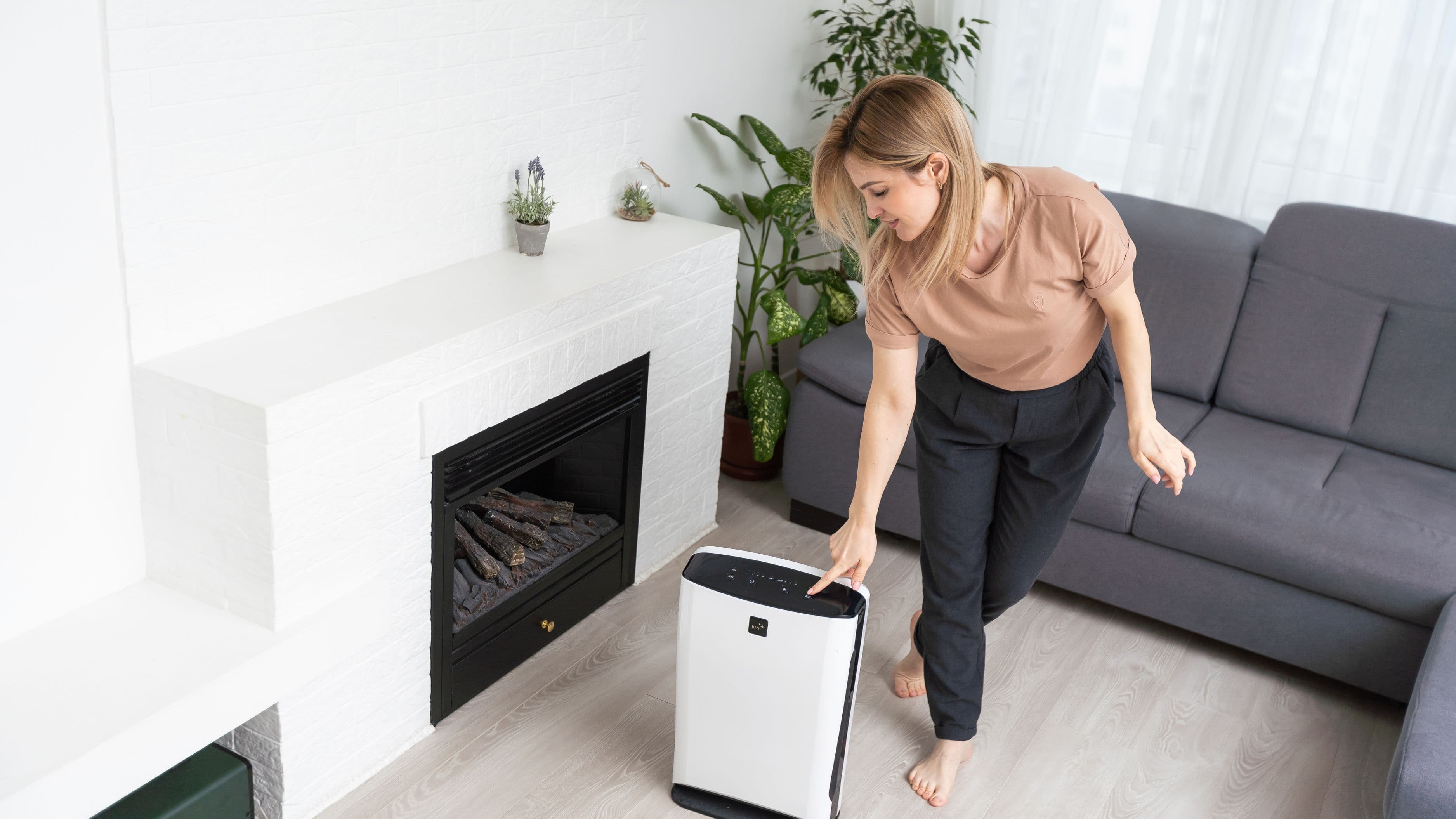
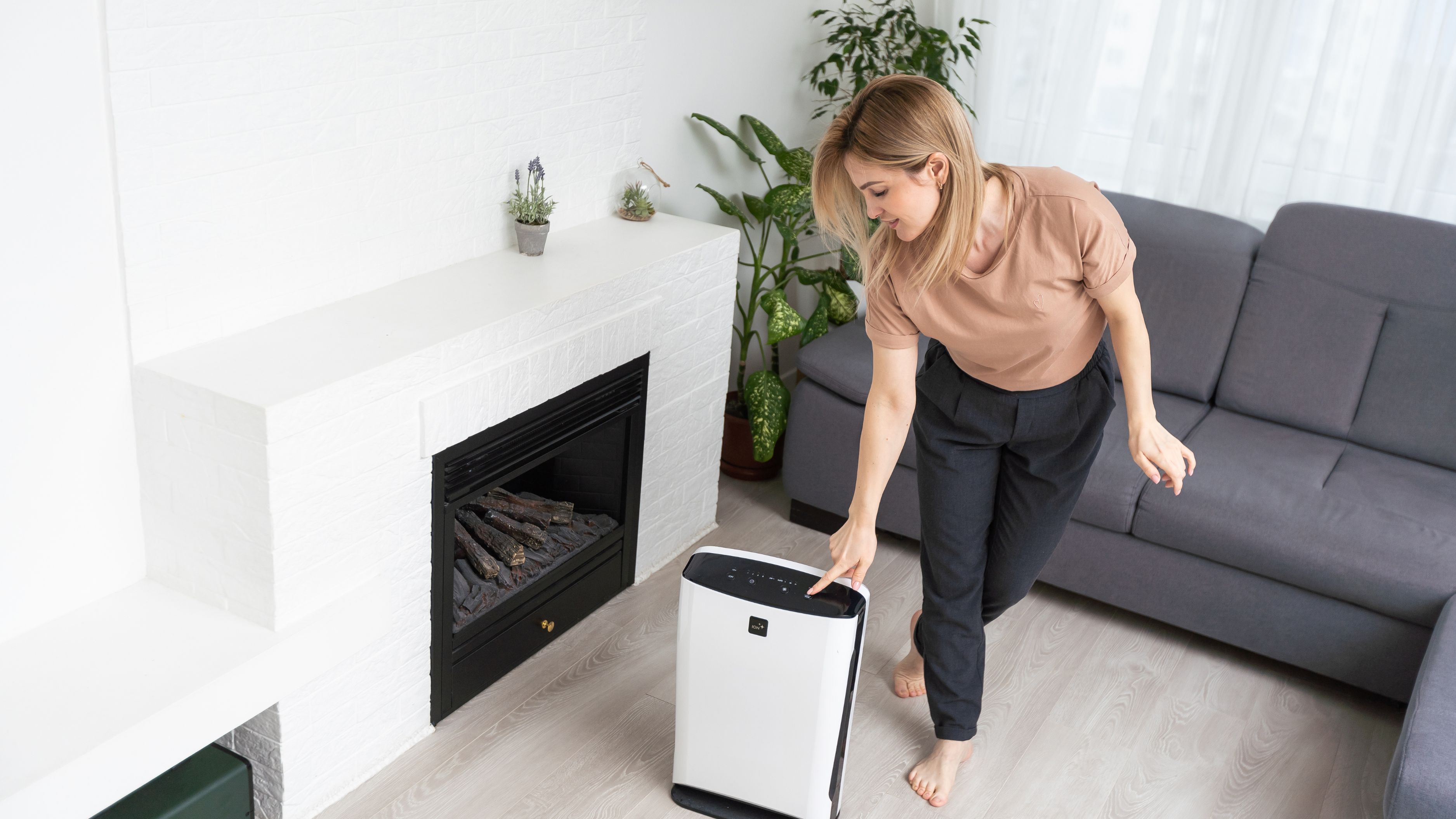
If your humidity issue is genuinely isolated, a damp basement or a single bathroom without adequate ventilation, a portable dehumidifier targeted at that specific space is usually the more cost-effective choice. Whole-home systems make the most financial sense when the problem is widespread, not localized to one or two rooms.
Renters or anyone planning to move within a few years should also lean toward portable units, since a whole-home system is a fixed investment tied to the property and generally isn't something you'd take with you or expect to recoup quickly if you're not staying long-term.
Signs Your Home Might Need Whole-Home Humidity Control
Persistent musty smells that don't clear up with regular cleaning, visible condensation on windows during humid months, or a consistent feeling of stickiness throughout the house even with air conditioning running are all signs pointing toward a broader humidity problem rather than an isolated issue. If you notice these signs in multiple rooms rather than just one, that's a reasonably strong indicator that a whole-home solution will serve you better than treating rooms individually.
Realistic Expectations
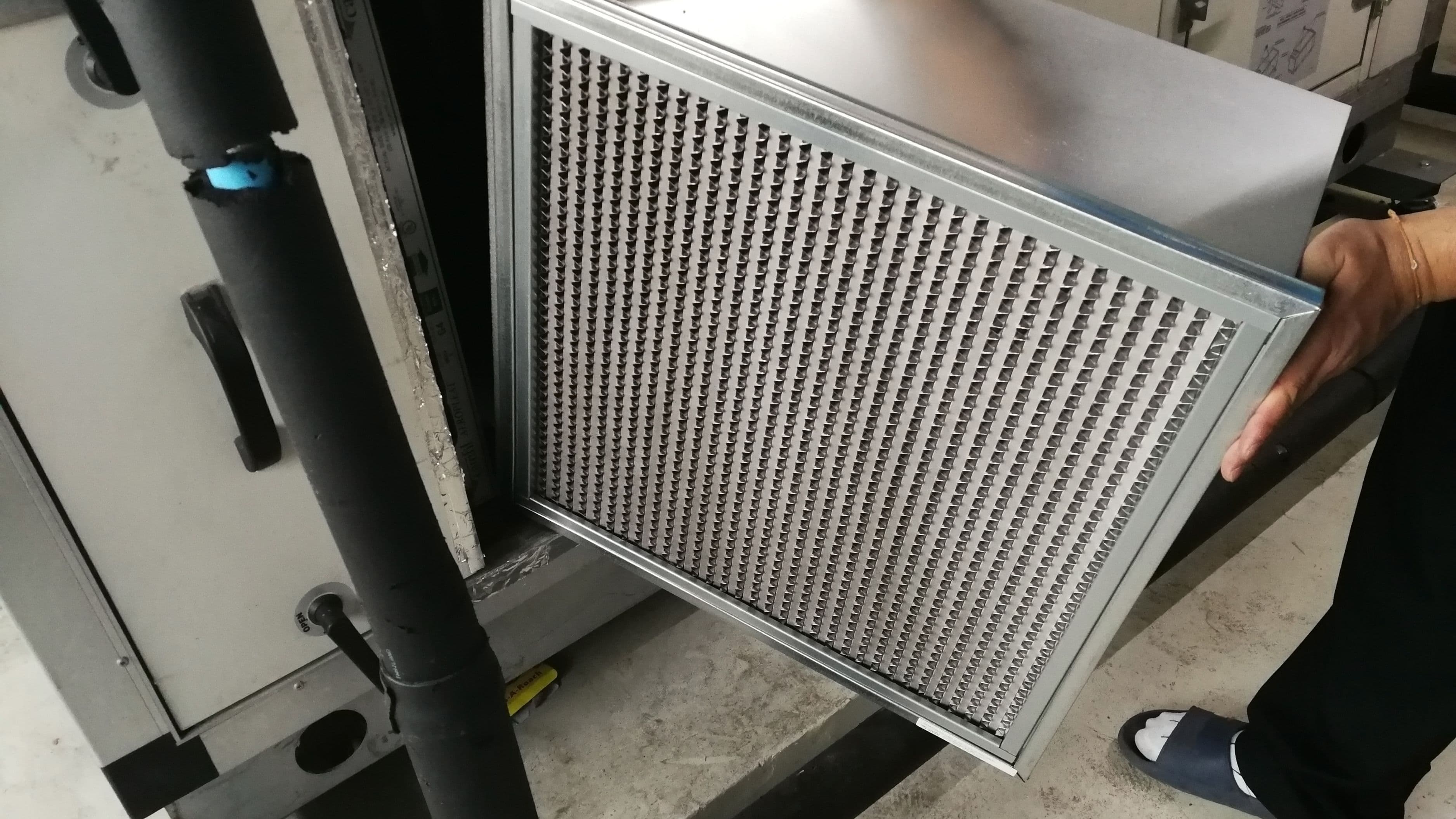
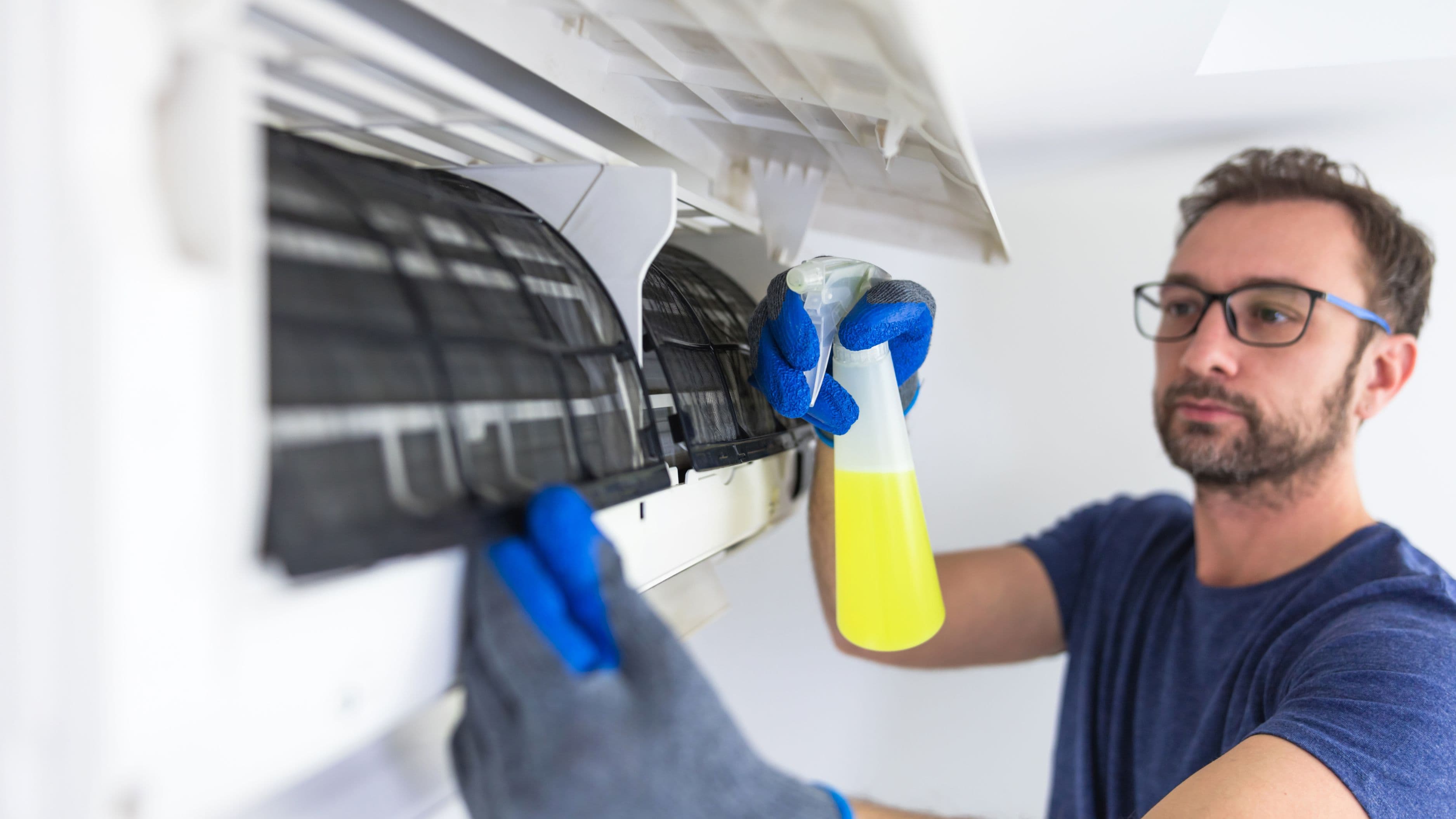
A whole-home dehumidifier won't eliminate humidity-related maintenance entirely, filters still need periodic cleaning, and the unit itself will need occasional professional servicing to keep running efficiently over its typical 10 to 15 year lifespan. It also won't fix underlying issues like poor ventilation or water intrusion problems on its own, so if your humidity issues stem from a leaking foundation or inadequate attic ventilation, those problems need to be addressed separately for the dehumidifier to work as intended.
What to Avoid
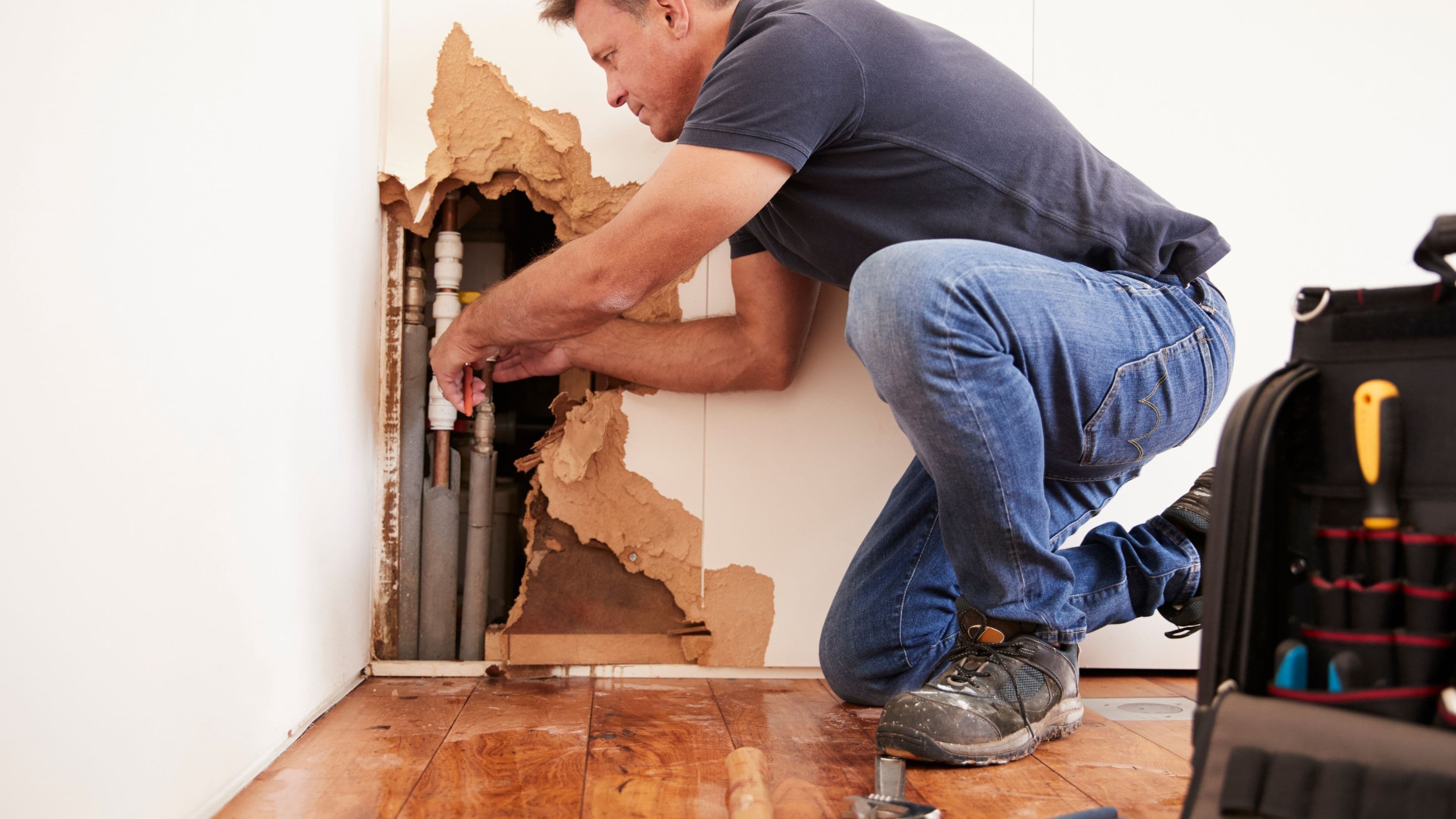
Avoid installing a whole-home system without first addressing any active water intrusion issues, like foundation leaks or poor grading around your home, since a dehumidifier manages air moisture but won't resolve a genuine water leak problem. Trying to dehumidify your way around an active leak wastes money and delays a repair that will only get more expensive over time.
Also avoid choosing a unit sized incorrectly for your home's square footage, since an undersized unit will run constantly without ever quite catching up, while an oversized unit cycles on and off inefficiently. A qualified HVAC contractor should calculate proper sizing based on your home's specific square footage and existing humidity levels.
Frequently Asked Questions
How long does a whole-home dehumidifier typically last? Most systems are built to last 10 to 15 years with regular maintenance, similar to the lifespan of other HVAC-integrated equipment.
Will a whole-home dehumidifier increase my energy bill significantly? Expect a modest increase, though it's typically less than running multiple portable units simultaneously across a humid season, since the whole-home system operates more efficiently at scale.
Can I install a whole-home dehumidifier myself? This isn't a recommended DIY project, since it requires integration with your existing HVAC ductwork and electrical connections. A licensed HVAC technician should handle installation to avoid affecting your system's overall performance.
If humidity is a whole-house problem in your home, the investment in a whole-home system typically pays off in comfort, air quality, and reduced maintenance headaches over the long run. If it's isolated to one space, save the money and go with a portable unit instead.
📚 Sources
Environmental Protection Agency, Indoor Air Quality and Humidity Guidance – https://www.epa.gov/indoor-air-quality-iaq
Energy Star, Dehumidifier Buying Guide – https://www.energystar.gov