Average Window Replacement Cost
For most homeowners in the U.S., replacing a standard-size window costs roughly $400 to $1,500 per window installed. Basic vinyl windows sit at the lower end, while wood, fiberglass, and specialty shapes push prices higher. Replacing every window in an average home with 10 to 15 windows often lands somewhere between $6,000 and $20,000. Large picture windows, bay or bow windows, and custom shapes can each cost several thousand dollars on their own.
What Affects the Price
Frame Material
Vinyl is the most affordable and low-maintenance option, typically $400–$900 per window installed. Fiberglass costs more, often $700–$1,500, but is very strong and stable through temperature swings. Wood offers a classic look and good insulation but usually runs $900–$2,000 or more and needs regular upkeep. Composite frames fall in the mid-to-upper range.
Glass and Energy Features
Double-pane glass is now standard, while triple-pane units add cost but improve insulation and noise reduction. Low-E coatings and gas fills between panes improve energy efficiency. In colder or hotter climates, choosing windows certified for your region can make a noticeable difference in comfort.
Window Style and Size
Single-hung and double-hung windows are usually the most budget-friendly. Casement, sliding, bay, and garden windows cost more because of extra hardware or construction. Non-standard sizes often require custom ordering, which adds both cost and lead time.
Insert vs Full-Frame Installation
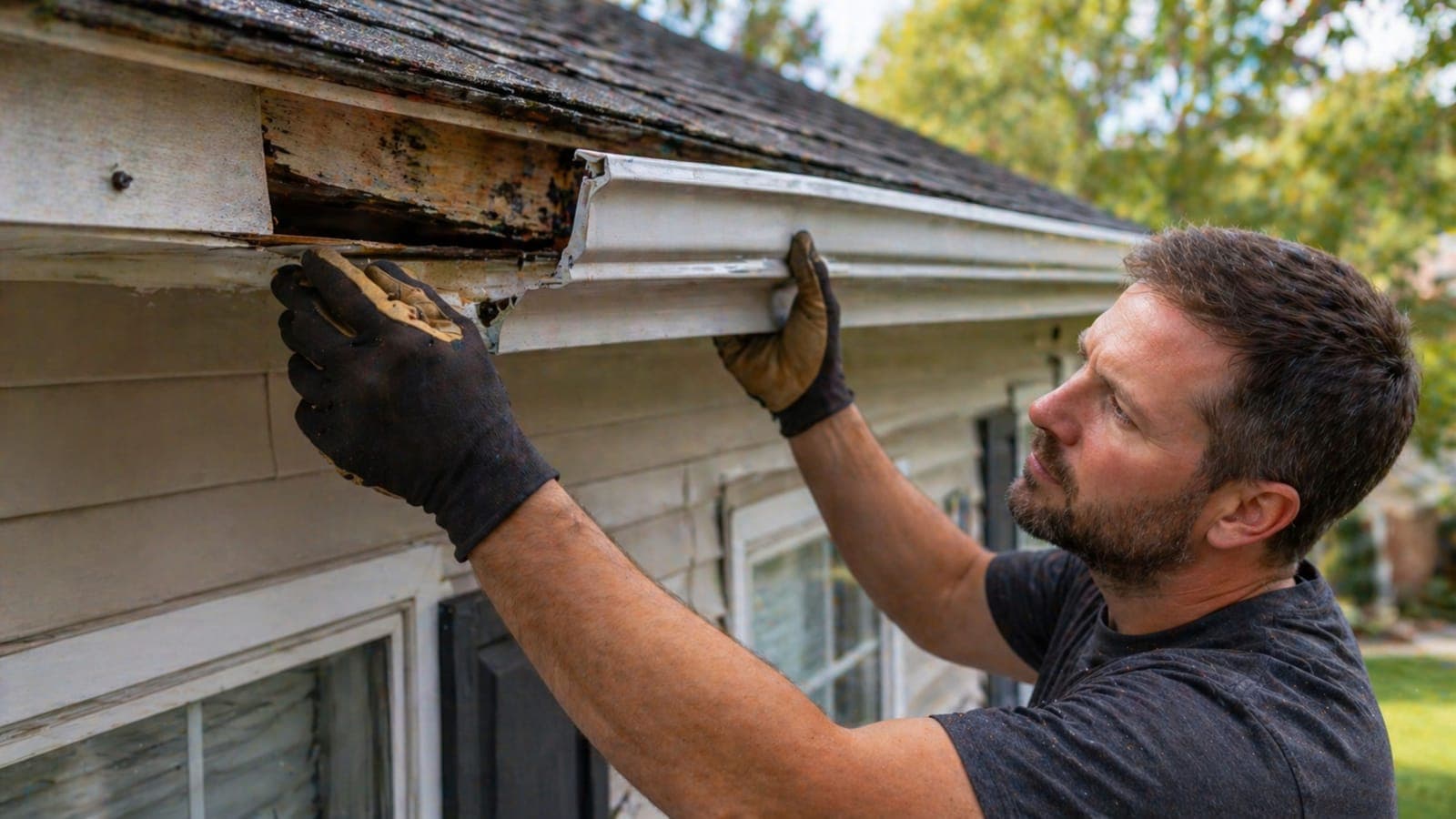
An insert (or pocket) replacement fits a new window into the existing frame. It is faster and cheaper, but it works only when the old frame is square, solid, and free from rot. Full-frame replacement removes everything down to the rough opening, allowing the installer to fix hidden damage and improve insulation. It costs more, often several hundred dollars extra per window, but is the better choice when frames are damaged or you want maximum efficiency.
How to Keep Costs Under Control
Get at least three written quotes and make sure each one specifies the window brand, model, glass package, installation type, trim work, and disposal of old windows. Replacing windows in phases, starting with the worst-performing ones, spreads out the cost. Ask about utility rebates or available tax incentives for energy-efficient windows, since programs change regularly.
Mistakes to Avoid
Choosing the cheapest quote without checking installer experience
Using insert windows over rotted or out-of-square frames
Ignoring warranty differences between product and labor coverage
Expecting new windows alone to slash energy bills – air sealing and insulation matter too
Ordering custom sizes without accounting for longer lead times
Final Thoughts
Window replacement is a significant investment, but well-chosen and properly installed windows improve comfort, reduce drafts, and add to your home's appeal. Focus on the right frame material for your climate and budget, choose the installation method your existing frames can actually support, and compare detailed quotes before committing. Good installation matters as much as the window itself, so choose your contractor as carefully as your product.