
The Core Principle: Frequency of Use
The single best filter for deciding what belongs on your workbench versus in storage is honest frequency of use, not how important a tool feels or how much it cost. A tool you reach for on nearly every project earns bench space regardless of size. A specialty tool you use twice a year, even an expensive one, belongs in storage no matter how impressive it looks sitting out.
This principle prevents the common trap of keeping things visible simply because they feel like they should be accessible, when in practice they just create clutter that makes it harder to find the tools you actually use constantly.
What Belongs on the Workbench
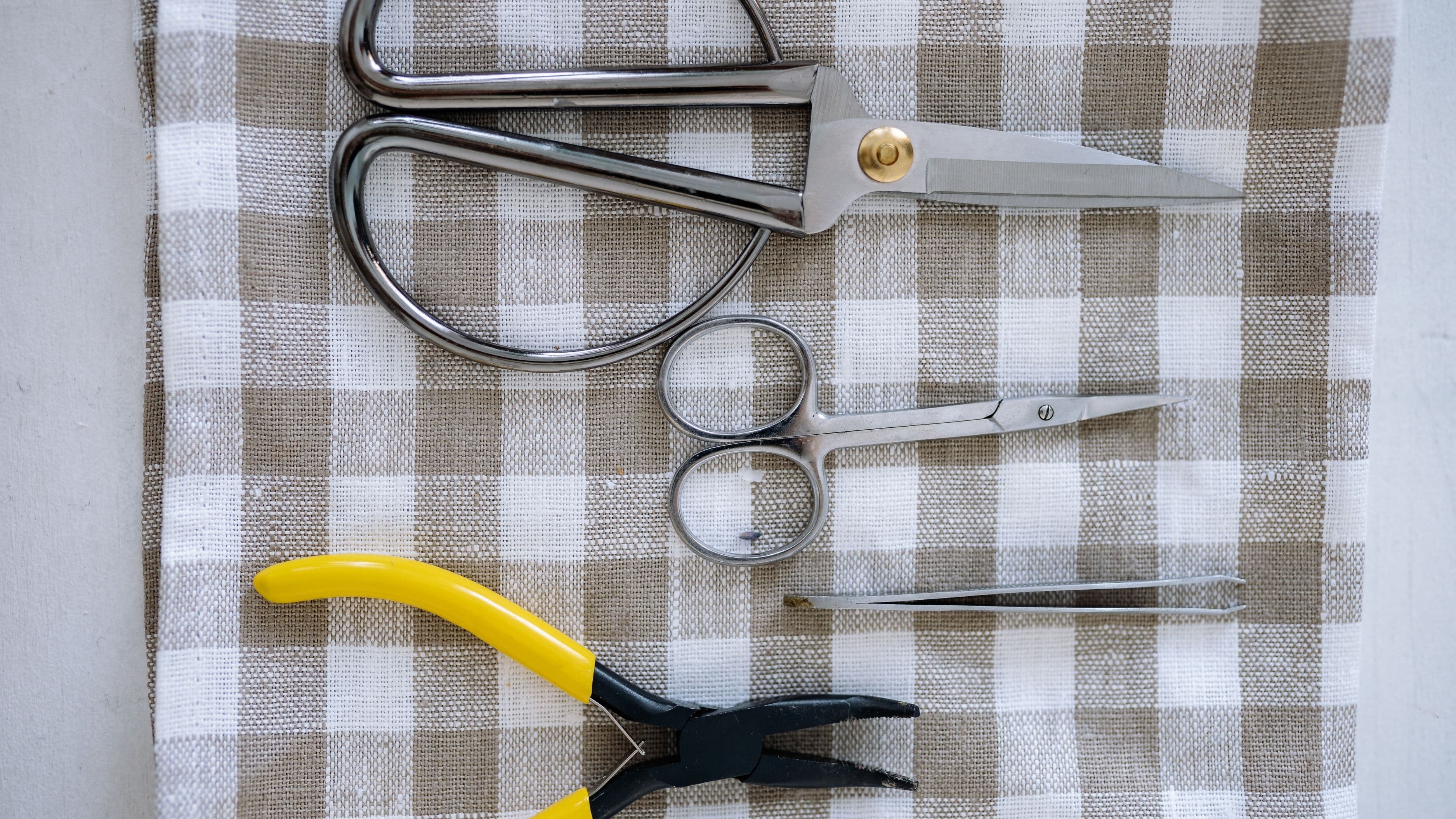
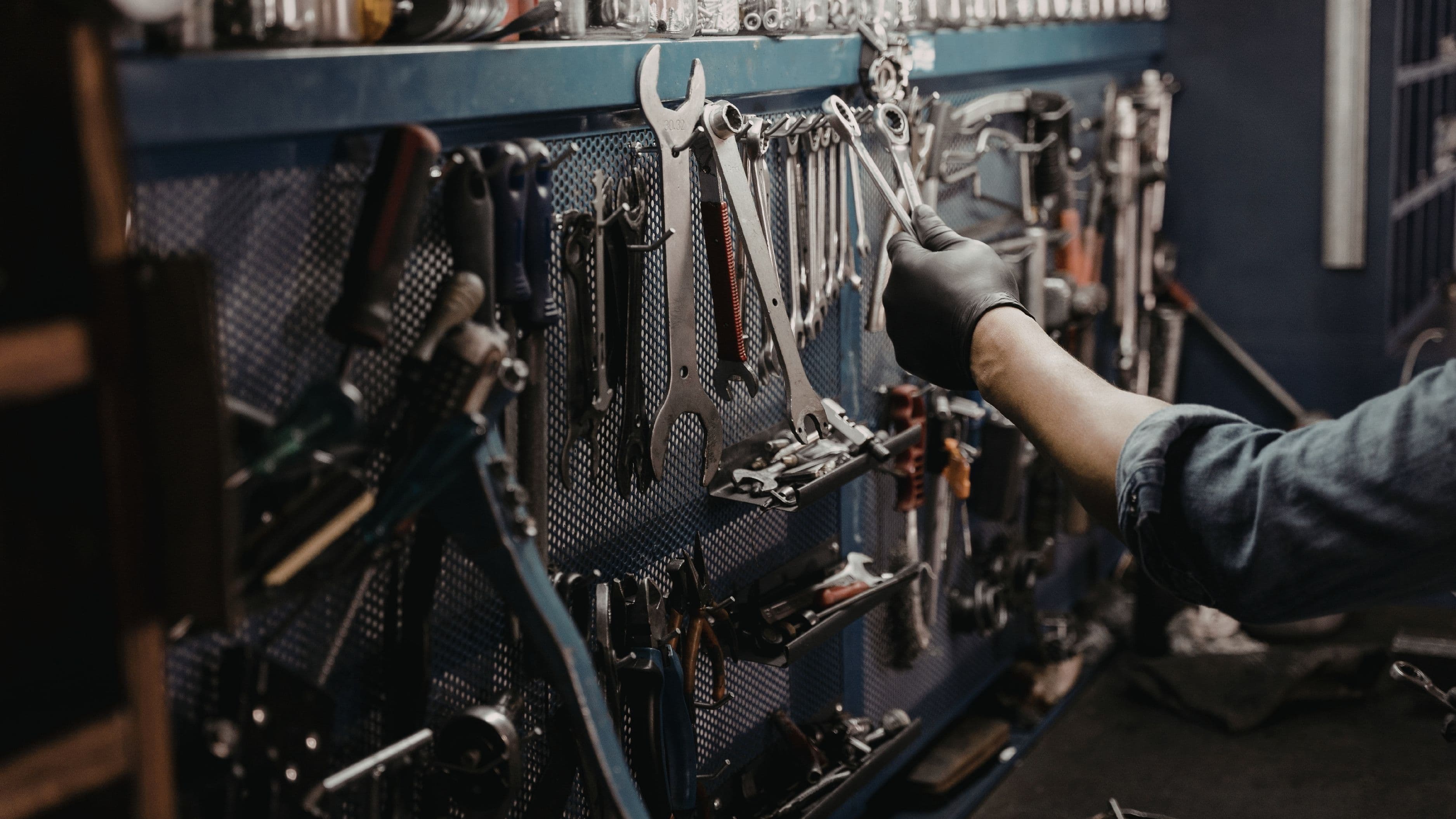
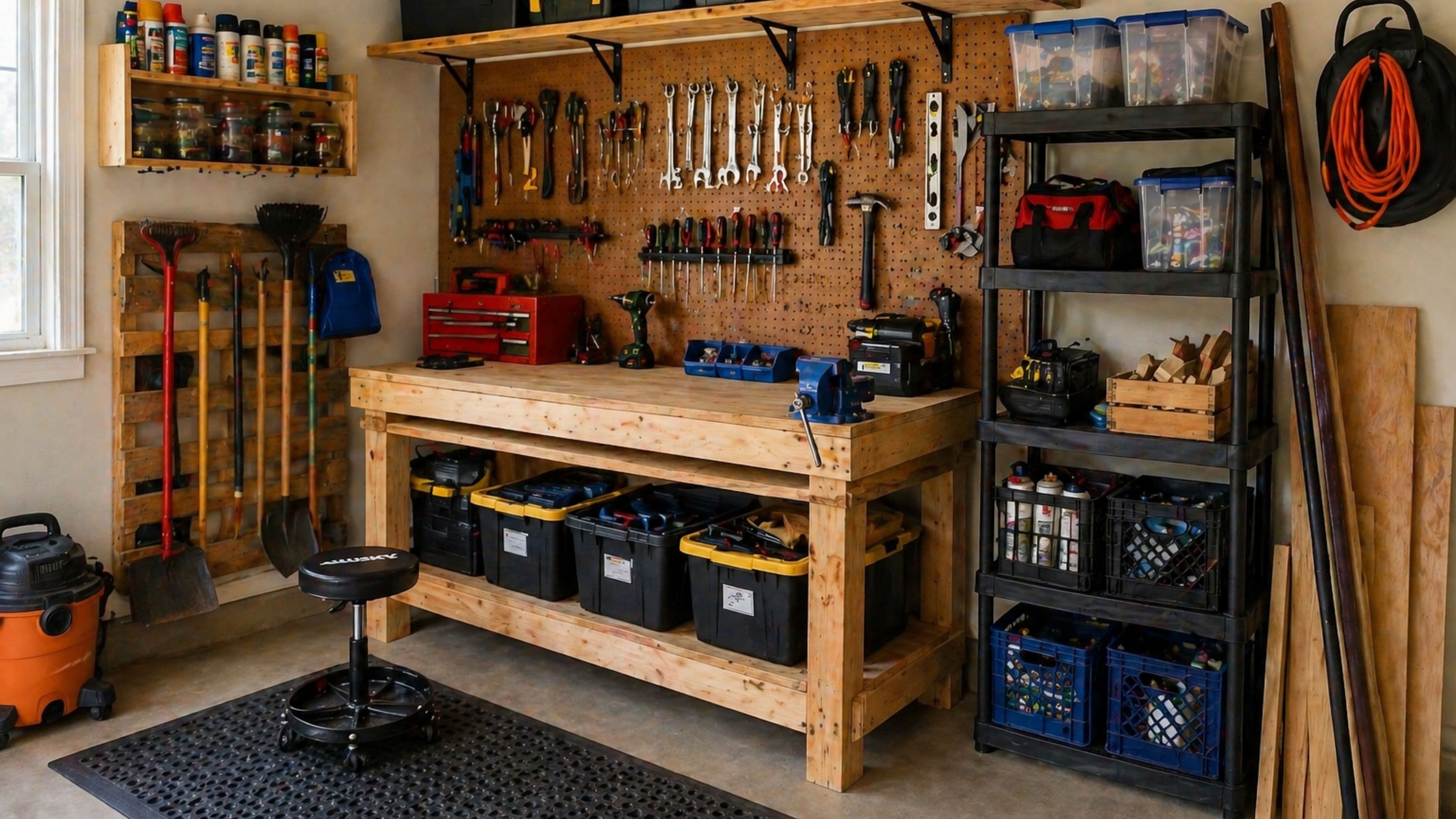
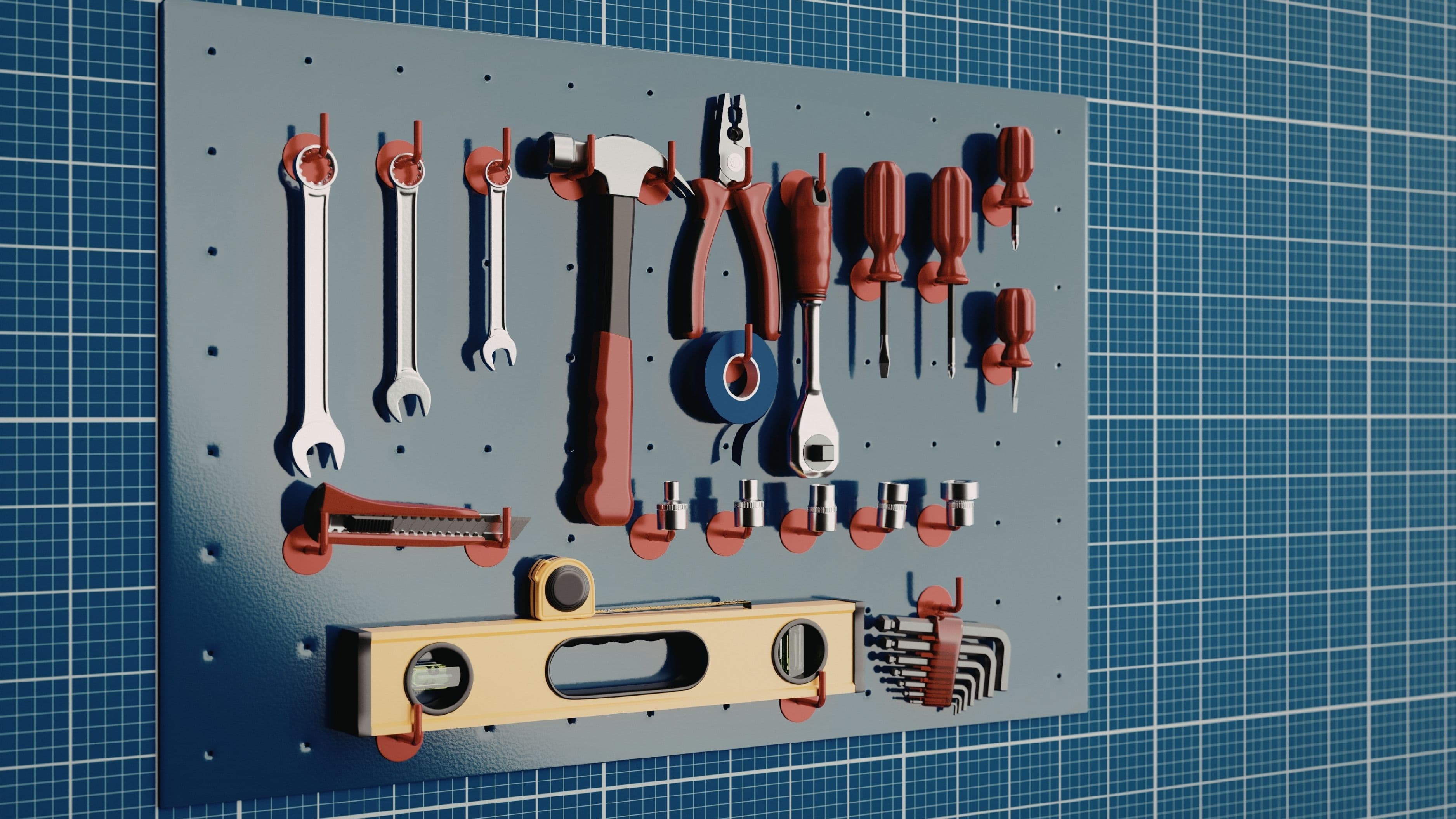
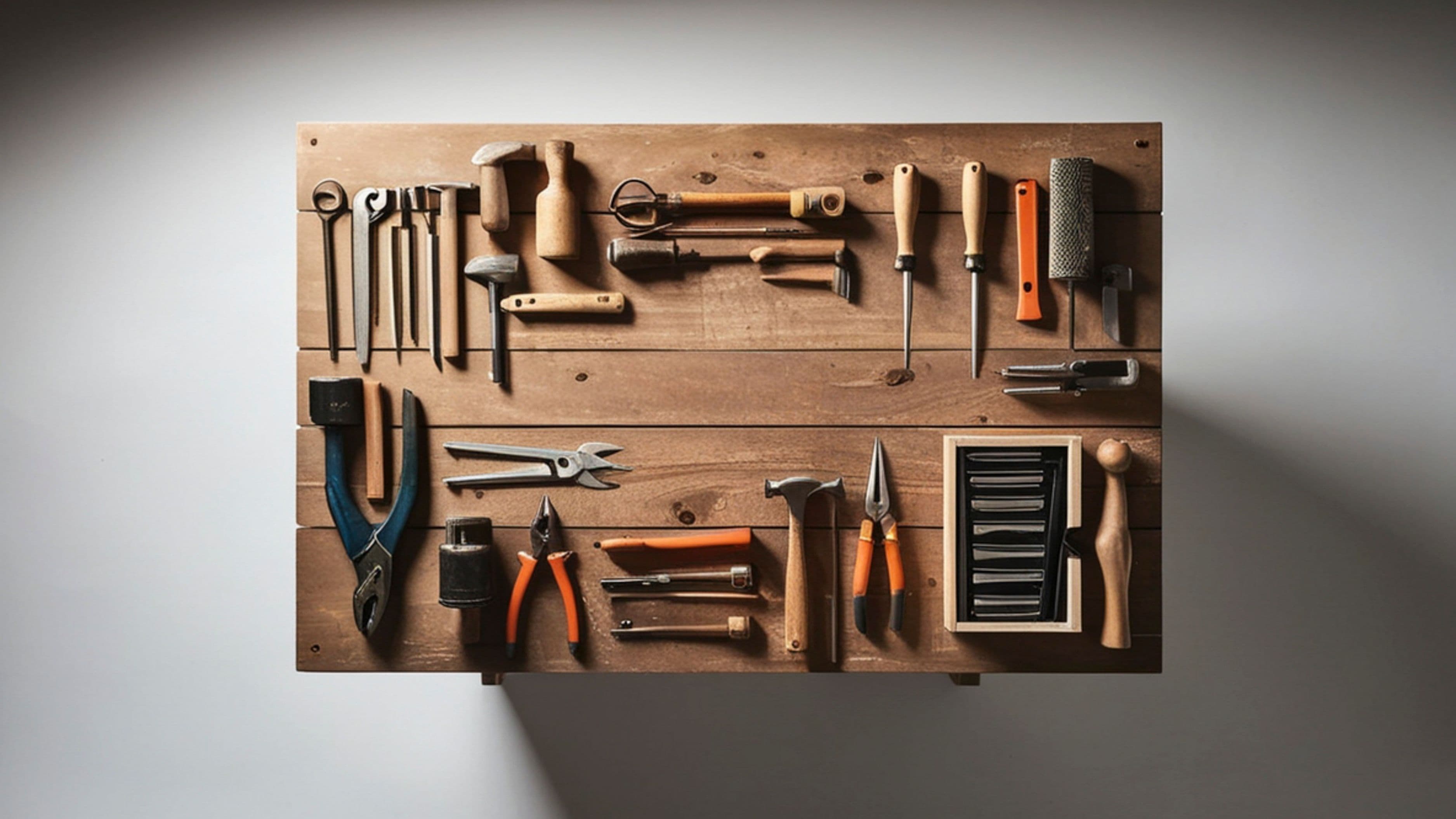
Your most-used hand tools. A basic set of screwdrivers, a claw hammer, a utility knife, and pliers earn permanent bench space since nearly every project touches at least one of these. A small countertop organizer or a section of pegboard directly above the bench keeps these visible and immediately accessible.
Measuring tools. A tape measure, a combination square, and a level get used constantly enough across different project types that digging through a drawer for them each time adds up to real wasted time over a year of projects.
Current project materials. Whatever you're actively working on, the specific screws, the piece you're sanding, the part you're waiting on glue to dry on, deserves bench space temporarily until that project wraps up, even if it would otherwise belong in storage.
A basic power tool you use weekly. A drill or driver used across most projects earns a dedicated spot on or near the bench rather than being packed away after every single use, since the setup and teardown time adds up when a tool gets used this frequently.
What Belongs in Storage
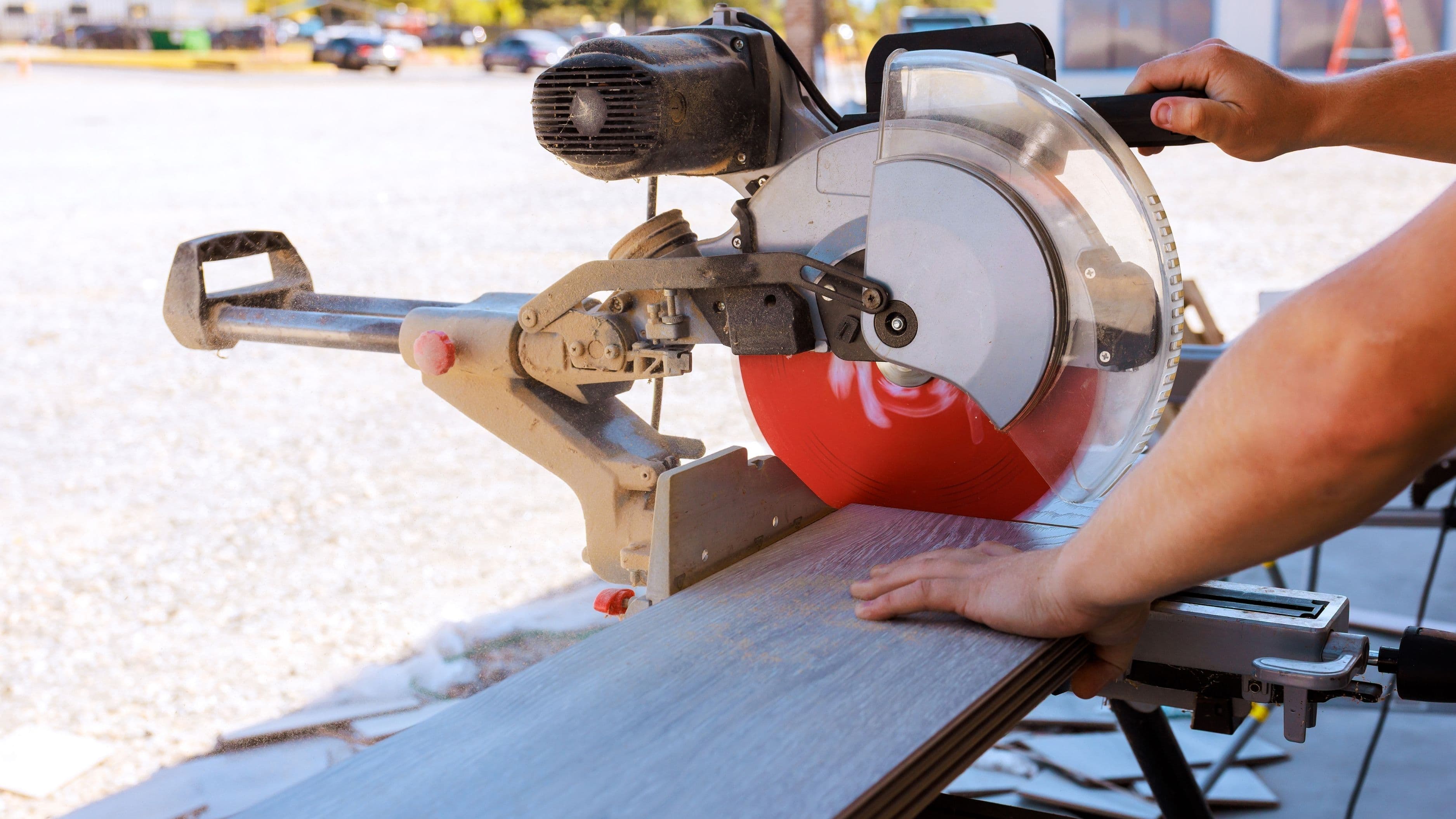
Specialty tools for occasional tasks. Tile cutters, pipe wrenches, or specific seasonal tools belong in a labeled bin or cabinet rather than bench space, since their infrequent use doesn't justify permanent visibility, and keeping them stored actually protects them from dust and accidental damage.
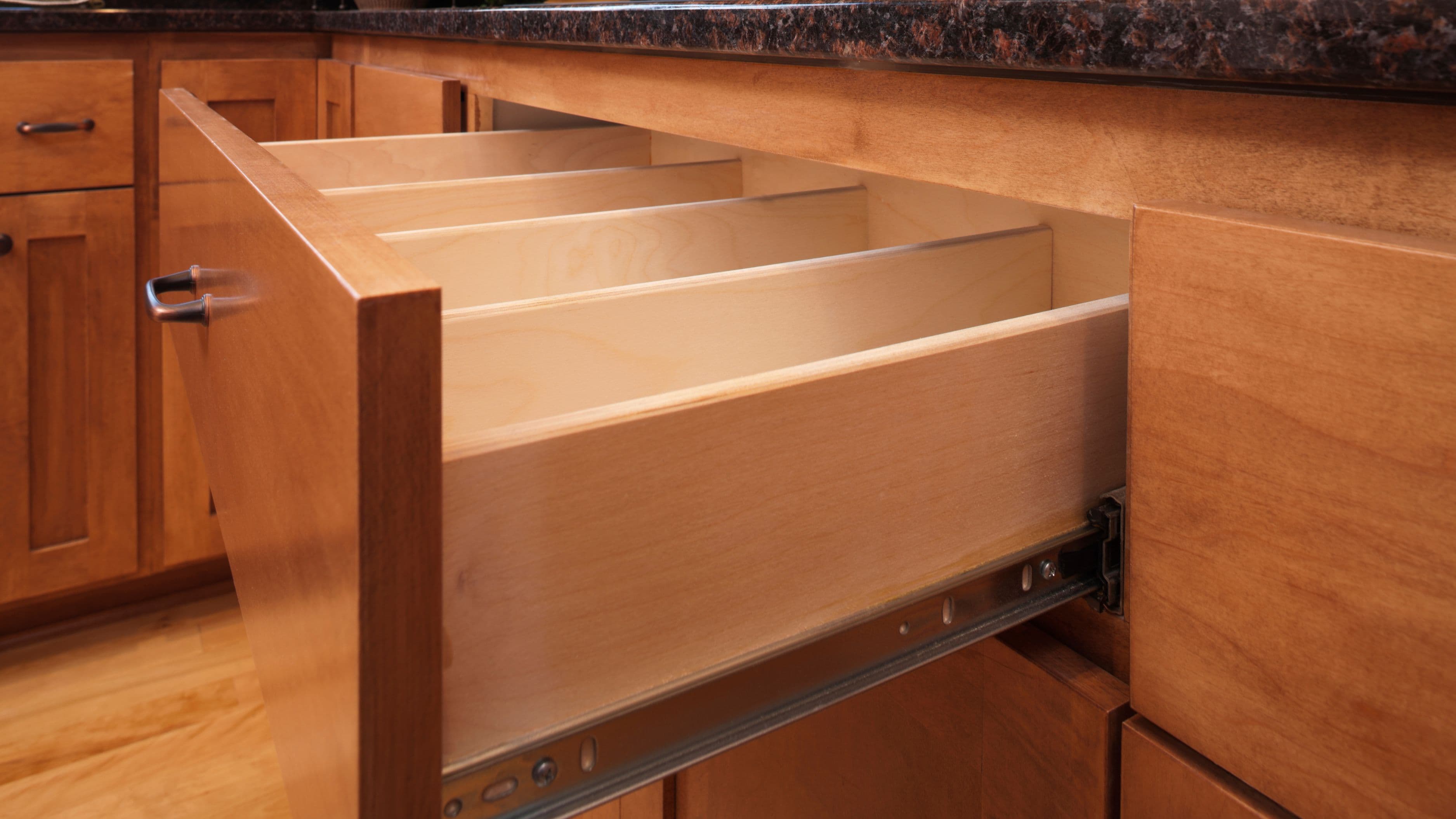
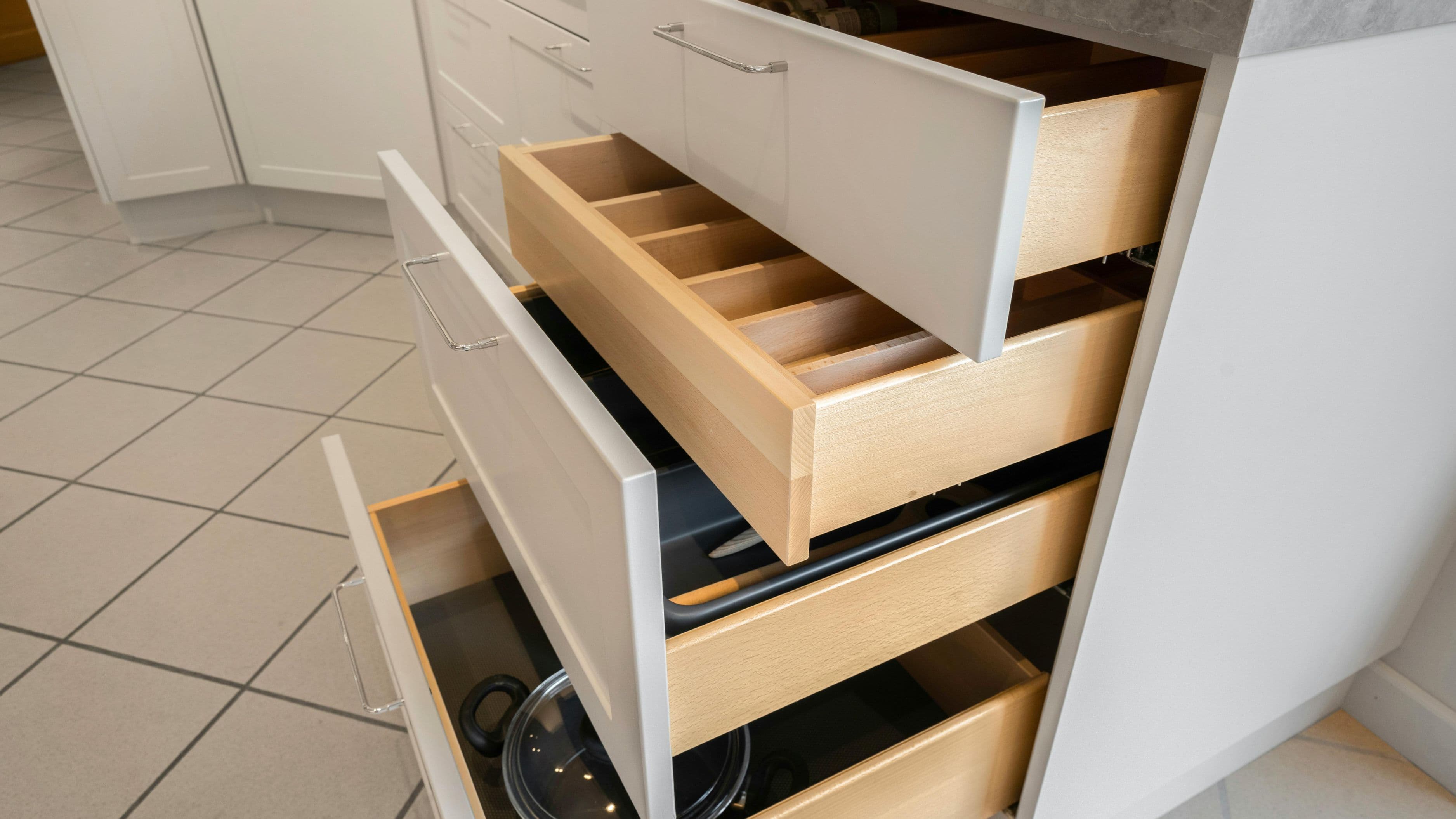
Fasteners and hardware in bulk. Screws, nails, and bolts sorted by size belong in a dedicated small-parts organizer, ideally clear bins so you can identify contents at a glance, stored near but not on the workbench itself. Keeping loose hardware on the bench surface is one of the fastest ways to create visual clutter that makes the whole space feel disorganized.
Chemicals, paints, and solvents. These belong in a dedicated storage cabinet, ideally with proper ventilation, both for safety reasons and because they're rarely needed mid-project the way hand tools are.
Backup or duplicate tools. If you own a second set of pliers or a backup drill battery, these belong in storage rather than competing for bench space with your primary tools, since having duplicates visible on the bench just adds clutter without adding function.
Building a System That Actually Sticks
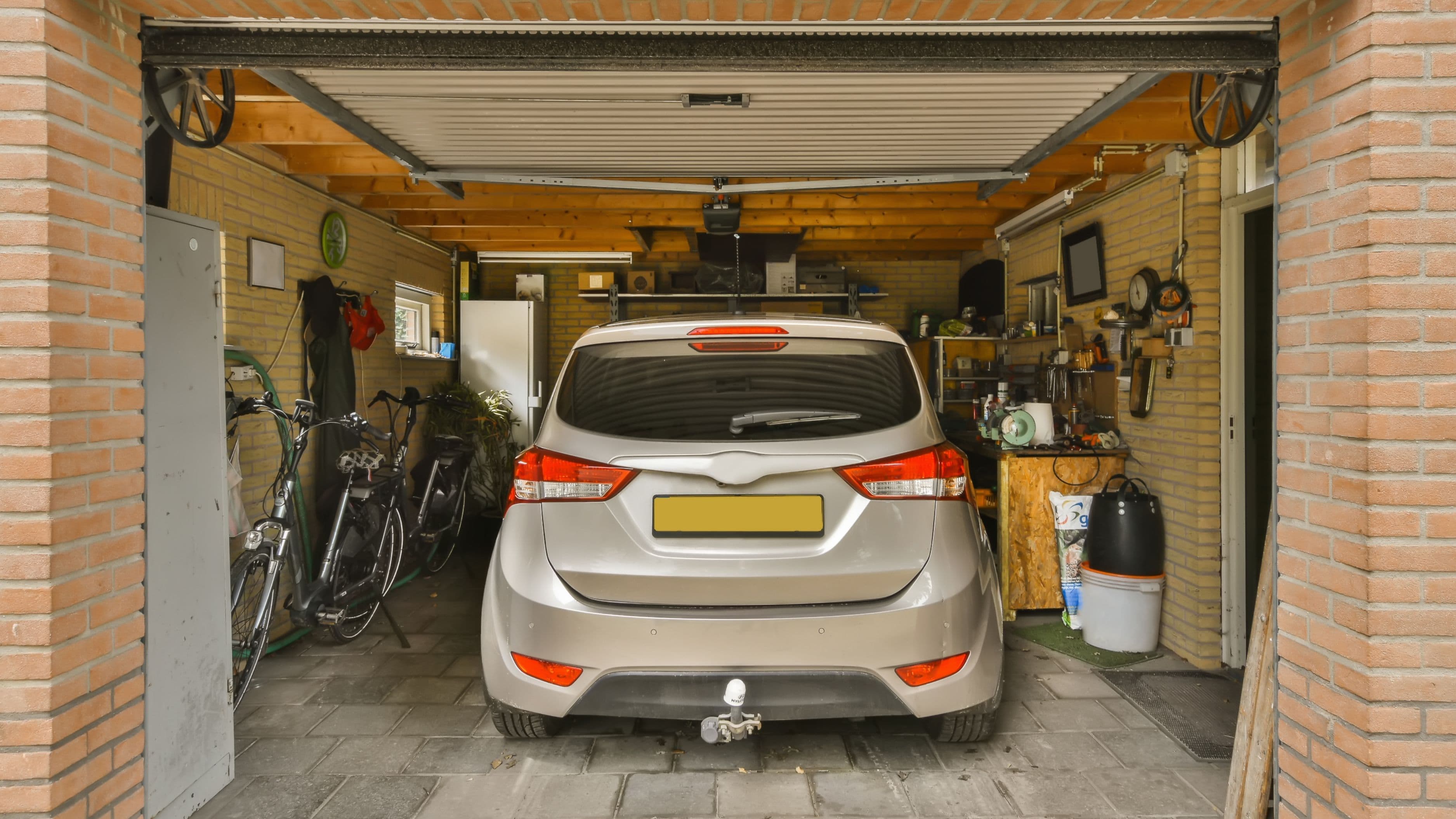
The workbench-versus-storage decision only works long-term if putting things away is genuinely easier than leaving them out. This usually means storage needs to be within a few steps of the bench, not across the garage, since the friction of walking a longer distance is what causes tools to accumulate on the bench surface in the first place.
Labeling storage bins clearly, even with something as simple as a marker on masking tape, reduces the friction of finding something later, which makes you more likely to actually put items away rather than leaving them out "just for now" indefinitely.
What to Avoid
Avoid keeping tools on the bench simply because they're expensive or impressive rather than because you actually use them often, since this is the most common reason workbenches become cluttered despite good intentions. Don't store frequently used items too far from the bench either, since the resulting extra trips add up to real wasted time and often lead to those tools ending up back on the bench permanently out of convenience, defeating the purpose of the storage system. Be especially careful with chemicals and solvents, keeping them properly stored and ventilated rather than convenient but unsafe near an active workbench.
FAQ
How often should I reassess what's on my workbench versus in storage? A quick review every few months, or any time the bench starts feeling cluttered again, helps catch tools that have quietly drifted onto the bench without earning permanent space there.
What's the best way to store small hardware like screws and nails? Clear, labeled bins sorted by size and type work best, since they let you see contents without opening every container, saving real time during projects.
Should power tools always be stored rather than left on the bench? It depends on frequency of use. A drill used almost daily can reasonably stay accessible near the bench, while a specialty power tool used a few times a year is better off stored properly.
📚 Sources
Family Handyman, "How to Organize a Garage Workbench" – familyhandyman.com
This Old House, "Workshop Organization Tips" – thisoldhouse.com